5 Steps to Plan for Siding Material Delays
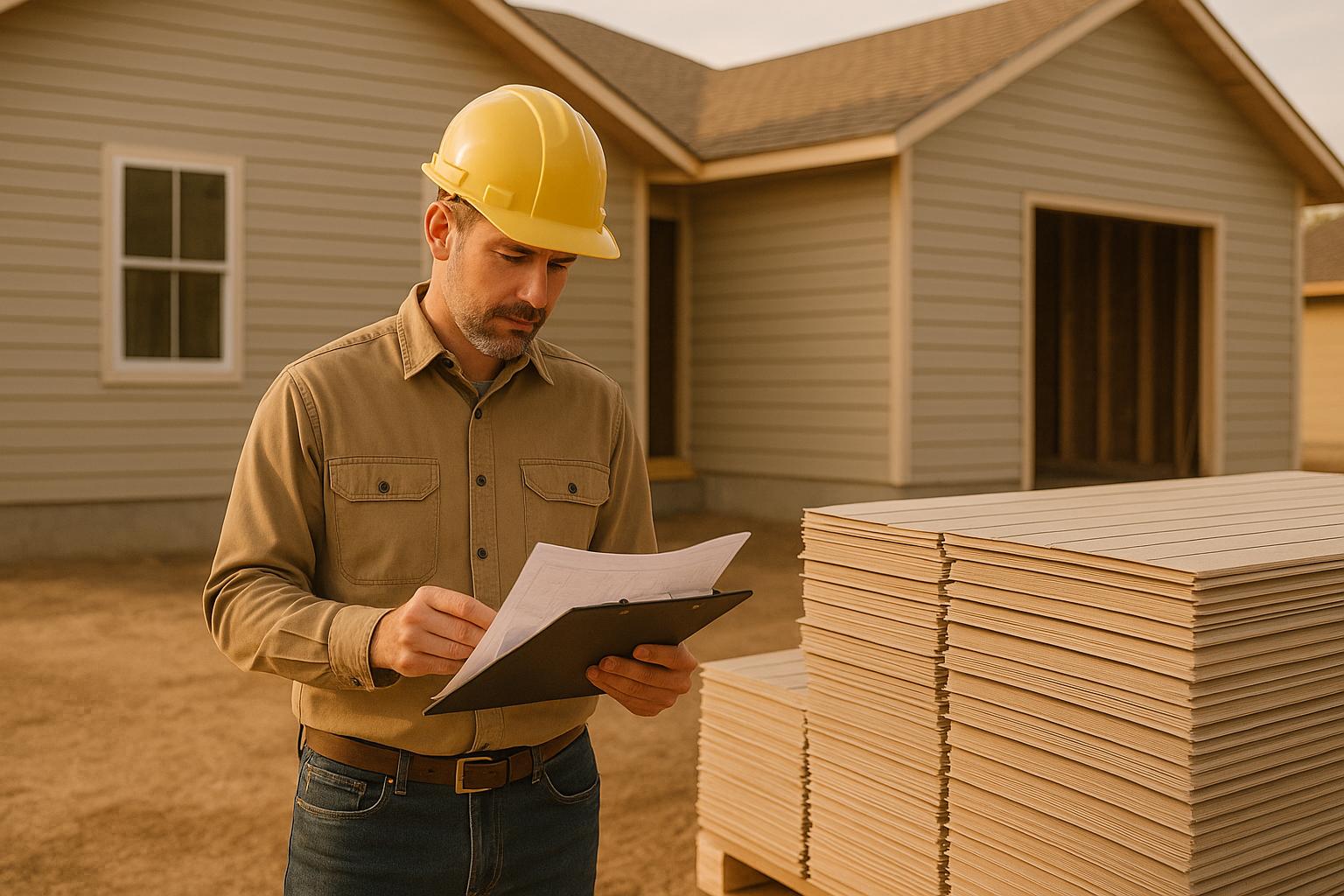
5 Steps to Plan for Siding Material Delays
Siding material delays are a growing challenge, with average delays now at 17 days per project. These delays, caused by manufacturing issues, transportation bottlenecks, seasonal demand, and global economic factors, can disrupt timelines and budgets. Here’s how you can stay ahead:
- Check Lead Times and Supplier History: Confirm delivery timelines, evaluate supplier reliability, and understand lead times for standard vs. custom materials.
- Create Backup Sourcing Options: Build relationships with alternate suppliers and explore material alternatives like vinyl, engineered wood, or stone veneer.
- Add Extra Time to Your Schedule: Include buffer time to account for potential delays and plan for partial deliveries to keep work moving.
- Track Orders with Digital Tools: Use tools like AccuLynx or Bundle for real-time updates on shipments and improved supplier communication.
- Keep Everyone Informed: Update clients immediately about delays, provide clear timelines, and prepare response plans for shortages.
Avoid Delays in Your Home Remodel: Pro Tips to Keep Your Project on Track
Step 1: Check Lead Times and Supplier History
Before placing an order, it's crucial to confirm delivery timelines and evaluate the reliability of your suppliers. Delivery times for general materials have grown by about 25–40%, while specialized items face even longer delays, which can directly affect your project schedule. For example, steel joists now take 9–12 months to arrive (compared to 3–5 months previously), electric switchgear requires 10–14 months (up from 3–6 months), and wood doors need 12–14 weeks (previously 6–10 weeks). Understanding these timelines helps you anticipate and manage potential disruptions.
Check Supplier Performance Records
Dig into your supplier’s history to ensure they meet quality and reliability standards. Look for materials, like siding, that are built to withstand rust, corrosion, and harsh weather conditions. Verify that the supplier holds up-to-date manufacturing certifications and relevant industry accreditations. It’s also a good idea to assess their communication practices and delivery reliability by checking references and testimonials from recent projects.
"Communication happens earlier and more often so everyone stays on the same page in regards to project schedule. We don't want customers to worry about lead times or supply chain issues, they just need to be aware. It's Alder's responsibility to manage the best we can." - Ryan Reese, Sales Specialist, Alder's
Learn Different Material Lead Times
Standard, off-the-shelf products are typically available faster, while custom or specialty items - those with unique colors, textures, or architectural details - require much longer lead times. Make sure to discuss the current availability and specific timelines for each material option with your supplier. Production schedules have shifted dramatically in recent years due to challenges like COVID-19. Stay in close communication with subcontractors to get updates on any potential delays. Also, double-check all measurements and specifications before placing orders - mistakes can lead to significant delays, resetting the clock on lead times.
Step 2: Create Backup Sourcing Options
Being prepared with multiple sourcing options can save your project from significant delays. Contractors who plan ahead by building relationships with secondary suppliers and exploring alternative materials are better equipped to handle unexpected issues. This forward-thinking approach complements earlier supplier evaluations and keeps your project on track.
Find Alternative Suppliers
Reach out to 3-4 local contractors to gather quotes, understand average costs, and identify dependable suppliers. Personal recommendations from neighbors, friends, or family can also be invaluable. Additionally, organizations like homeowners associations, property managers, local realtors, and general contractors often have lists of trusted suppliers.
When vetting potential backup suppliers, make sure they carry proper insurance, including general liability and workers' compensation. Check their websites for professionalism and read customer reviews to see how they resolve issues. Speak with them directly about your project needs and prioritize suppliers with proven expertise in siding within your area.
Explore Material Alternatives
Having a backup plan for materials is just as important as securing alternative suppliers. If your primary siding choice is delayed, knowing your options can help maintain your timeline.
- Vinyl siding is the most budget-friendly option and recoups 94.7% of its cost at resale, making it a great choice for cost-conscious projects. However, it may not be as durable as other materials, which could impact its longevity [20, 24].
- Engineered wood provides the classic look of traditional wood siding but is lighter and more durable, making it a solid alternative if fiber cement is unavailable.
- Fiber cement siding is known for its thickness and durability, recovering 88.5% of its cost at resale [20, 23]. If this material is delayed, consider stone veneer, which offers an affordable, easy-to-install option with a premium stone-like appearance.
| Siding Type | Key Benefits | Ideal For |
|---|---|---|
| Vinyl | Affordable; 94.7% cost recovery | Projects where budget is a top priority |
| Engineered Wood | Wood-like appearance; lightweight, durable | Natural look with reduced weight |
| Fiber Cement | Thick, durable; 88.5% cost recovery | Long-term performance and durability |
| Stone Veneer | Economical stone look; simple installation | Premium appearance on a budget |
When considering alternatives, evaluate how each material performs under local weather conditions and whether it meets building codes. For example, fire retardancy is essential for wood siding in some areas. Pay attention to factors like water resistance, durability, and how well the material handles temperature changes to ensure it suits your project’s specific needs [20, 21, 22].
Step 3: Add Extra Time to Your Schedule
With backup sourcing in place, the next step is to safeguard your timeline by incorporating extra time into your schedule. Adding time buffers helps account for potential delays, ensuring your siding project stays on track.
Add Buffer Time for Delays
In 2022, construction delays averaged an astonishing 46.8 days - an increase of 117.5% compared to 2021. Siding projects specifically saw an average delay of 17 days, marking a 183.3% increase since 2019. These numbers underscore the importance of building buffer time into your project timeline.
Delays can stem from weather conditions, material shortages, or unexpected repairs. Even the most meticulously planned projects can face unforeseen obstacles, so it’s smart to prepare for both predictable and unexpected setbacks. For example, hidden issues like mold discovered during tear-off can turn a one-day task into a month-long delay.
"It's not the delay itself but your reaction to it that determines the outcome." - Jason Schroeder, Owner and Principal Consultant, Elevate Construction IST
For seasonal projects, weather-related delays may be somewhat predictable, while material shortages or shipping disruptions are harder to foresee. Factor in your project’s specific risks and complexity to determine how much extra time to add.
"The most successful construction managers anticipate delays in advance, apply construction delay analysis techniques, mitigate risk to the extent possible, and adjust their plan to limit downstream impacts when unexpected delays occur." - Park University
This approach works hand-in-hand with earlier steps like backup sourcing and supplier performance checks. Once you’ve added buffer time, it’s also wise to plan for split shipments to maintain workflow continuity.
Plan for Partial Deliveries
Supply chain challenges often result in split deliveries. Planning for partial shipments can help prevent work stoppages. By starting work with available materials while awaiting the rest, you can keep the project moving and potentially finish faster than if you waited for everything to arrive at once.
Prioritize materials based on the installation sequence. For example, focus on the most critical sections of siding first, allowing progress to continue even if less essential materials are delayed. Digital tracking tools can be invaluable here, offering real-time updates on what’s shipped, in transit, or delayed. This lets you adjust your work schedule dynamically.
Using a Transportation Management System (TMS) can also improve coordination of partial shipments. While you might not control the shipping process directly, understanding how these systems work can help you communicate effectively with suppliers and set realistic expectations.
"A project that once took seven months now may take eight or nine. With that in mind, it's important to clearly communicate extended timelines with clients from the start. You'll keep them happy, take stress off your team and protect your business' reputation in the long run." - Sean Robinson, Senior Content Marketing Specialist at Buildertrend
Daily progress monitoring is essential to stay ahead of delays and maintain clear communication with everyone involved. A detailed project schedule that maps out dependencies between materials and work phases will help you manage partial deliveries effectively.
Step 4: Track Orders with Digital Tools
Keeping tabs on your orders is a game-changer when it comes to avoiding delays in siding projects. Digital tracking tools make this process seamless, offering instant updates and enabling quick responses to potential hiccups. By using these tools, you can stay on top of shipments, make informed decisions, and keep your project timeline intact. Here’s how to make the most of them.
Use Tracking Software for Updates
Platforms like AccuLynx's Order Manager simplify order tracking by providing real-time updates on the status of your orders - whether they’re pending, in progress, or completed.
"With AccuLynx's Order Manager, you can place and track orders in real time. The tool shows the status of each order - whether it's pending, in progress, or completed - keeping you informed and organized."
Other tools, such as Bundle, take it a step further by integrating supplier updates, pricing, and delivery confirmations into one centralized dashboard. This eliminates the hassle of juggling multiple systems or making endless follow-up calls. As Laura I., Construction Ops Manager at ADU Builders, shares:
"Bundle has taken away that burden! It is so nice to have one platform that tracks all of the items and communicates directly with us when there are delays, cancellations or any other issues that may arise."
Improve Supplier Communication
Digital tools don’t just track orders - they also enhance communication with suppliers. By offering instant access to purchase orders and invoices, these platforms ensure transparency and reduce the need for back-and-forth follow-ups. Supplier portals further streamline operations, allowing material providers to respond to quote requests, monitor open orders, and submit invoices efficiently.
For companies still relying on manual methods, digital tools offer a much-needed upgrade. Real-time connectivity helps all parties stay aligned, resolving issues faster and minimizing disruptions. When everyone works from the same platform, suppliers gain a clear understanding of your needs and delivery expectations, reducing the chances of miscommunication.
Another perk of digital tracking tools is performance monitoring. By keeping an eye on supplier activities, you can ensure they consistently meet your quality and delivery standards. Investing in these tools not only keeps projects on track but also strengthens supplier relationships through transparency and efficient communication - key factors in avoiding delays that could derail your siding projects.
sbb-itb-85e0110
Step 5: Keep Everyone Informed
When material delays threaten to disrupt your siding project, clear and consistent communication is key. At Bayshore Exteriors, we emphasize keeping clients informed at every stage. Why? Because 80% of clients express frustration with delayed projects when they feel left in the dark. Transparent updates help maintain trust and avoid unnecessary misunderstandings. Pairing this with tools like digital order tracking and buffer scheduling creates a proactive approach to managing delays.
Update Clients on Timeline Changes
Timing is everything when it comes to delivering news about delays. Clients should hear about potential or ongoing delays as soon as they’re identified - not after the issue has escalated. As soon as a delay is detected, reach out with a clear and concise explanation.
When notifying clients, include four key details:
- Confirmation of the delay
- Estimated duration
- Reasons for the delay and mitigation steps
- An updated timeline
Providing this information not only keeps clients informed but also reassures them that you are actively addressing the issue.
It can also help to add context by sharing industry data or examples that illustrate how delays are a common challenge in construction. For instance, you might explain that supply chain disruptions are affecting many projects and then highlight your previous success in overcoming similar obstacles.
When discussing complex supply chain issues, avoid overwhelming clients with technical jargon. Instead, use relatable analogies. For example, compare a manufacturing bottleneck to a popular item being temporarily out of stock, while emphasizing your efforts to secure the best alternative materials from multiple suppliers.
With communication in place, the next step is preparing for material shortages with a clear response plan.
Prepare Response Plans for Shortages
Having a well-thought-out response plan is critical to preventing minor material shortages from spiraling into major project delays. Without preparation, shortages can disrupt schedules, increase costs, and complicate inventory management. A solid plan ensures your team can respond quickly and efficiently.
Start by building on your backup sourcing and buffer strategies. Create a rapid response team with clearly defined roles and responsibilities. This team should include key players like your project manager, lead contractor, and a client communication specialist. Their responsibilities might include handling material substitutions, managing budget adjustments, and updating project timelines.
Your response plan should also include specific protocols for different scenarios. For example, when substitutions are required, involve your engineering and quality assurance teams to confirm that alternative materials meet both building codes and client expectations. If a specific James Hardie® siding color is unavailable, have pre-approved alternatives ready to present to clients.
Establishing relationships with multiple suppliers ahead of time is another essential step. Knowing their lead times, pricing, and quality standards allows you to switch to backup suppliers quickly when needed.
During material shortages, communication becomes even more vital. Regular updates - whether through monthly reports or dashboards - keep everyone informed. If shortages persist, increase the frequency of updates to maintain alignment and confidence in your management. When explaining why certain materials are unavailable or why alternatives might cost more, keep your language simple and focus on practical solutions rather than technical explanations.
Ultimately, transparency is your strongest tool during challenging situations. Be upfront about delays and shortages, but pair this honesty with a clear plan for resolution. Whether through formal reports or direct conversations, clients value honesty and proactive problem-solving. It’s this combination that builds trust, even in difficult circumstances.
Conclusion: Planning Steps for Material Delays
Dealing with siding delays requires a solid plan and open communication. By sticking to these five key steps, you create a system that helps safeguard your schedule, budget, and client relationships.
Here’s a quick recap of the steps: verify supplier performance, secure backup options, add buffer time, track orders digitally, and communicate clearly. Recent insights show how crucial early preparation is. Clear communication ensures everyone stays informed and ready to act quickly when delays pop up.
Incorporating these steps into your process not only keeps your project on track but also reinforces trust with your stakeholders. Setting aside an extra 10–20% in your budget and building flexibility into your schedule can make a big difference when unexpected challenges arise.
At Bayshore Exteriors, we know how common material delays can be, whether it’s for James Hardie® siding installations or specialty materials for new builds. That’s why we focus on realistic timelines, proactive planning, and transparent communication to reduce disruptions and keep projects running smoothly.
FAQs
How can I find reliable backup suppliers for siding materials to avoid delays?
Finding Reliable Backup Suppliers
Securing dependable backup suppliers is essential to avoid project delays caused by material shortages. A good starting point is to establish relationships with multiple suppliers. This way, you’ll have alternatives ready if one falls short. To gauge their reliability, look into their track record, financial health, and ability to meet your specific requirements. A smart move is to place small test orders with potential backup suppliers to evaluate their service quality and responsiveness.
Keep the lines of communication open with your backup suppliers to ensure they’re available and prepared when needed. Another helpful step is negotiating contingency agreements that clearly outline terms for emergency supplies. These measures can safeguard your projects from unexpected disruptions and keep everything running smoothly.
How can digital tools help manage delays in siding material orders more effectively?
How Digital Tools Help Manage Delays
Digital tools are transforming how delays are handled by making communication smoother and project tracking more efficient. Take project management software, for instance - it enables contractors to oversee material orders, monitor progress, and spot potential delays early. This keeps teams organized and ready to tackle supply chain hiccups head-on.
Many of these tools also sync directly with supplier systems, simplifying the ordering process and minimizing mistakes that could cause setbacks. With features like task automation and real-time updates, they help keep projects on track and align with customer expectations. Using these solutions can be a game-changer when it comes to overcoming challenges in siding material procurement.
What should I consider when selecting alternative siding materials during delays?
When dealing with delays in siding material procurement, it’s essential to weigh your alternatives thoughtfully. Start by focusing on durability. Materials like fiber cement and steel stand up well to harsh weather conditions, making them ideal for extreme climates. On the other hand, vinyl may not be the best choice for areas with significant temperature swings.
Climate compatibility should also guide your decision. Look for siding that performs well in your specific weather conditions, whether that means handling high humidity, heavy rain, or fluctuating temperatures.
You’ll also want to consider ease of installation and maintenance needs. Some siding options may require professional installation or regular upkeep, which could impact both your timeline and budget. And, of course, don’t forget about aesthetic appeal. Choose a material that enhances your home’s architectural style and boosts its curb appeal.
By carefully evaluating these factors, you can select a siding material that balances practicality and design while keeping delays to a minimum.