Asbestos and Mold Risks in Retrofitting
Asbestos and Mold Risks in Retrofitting
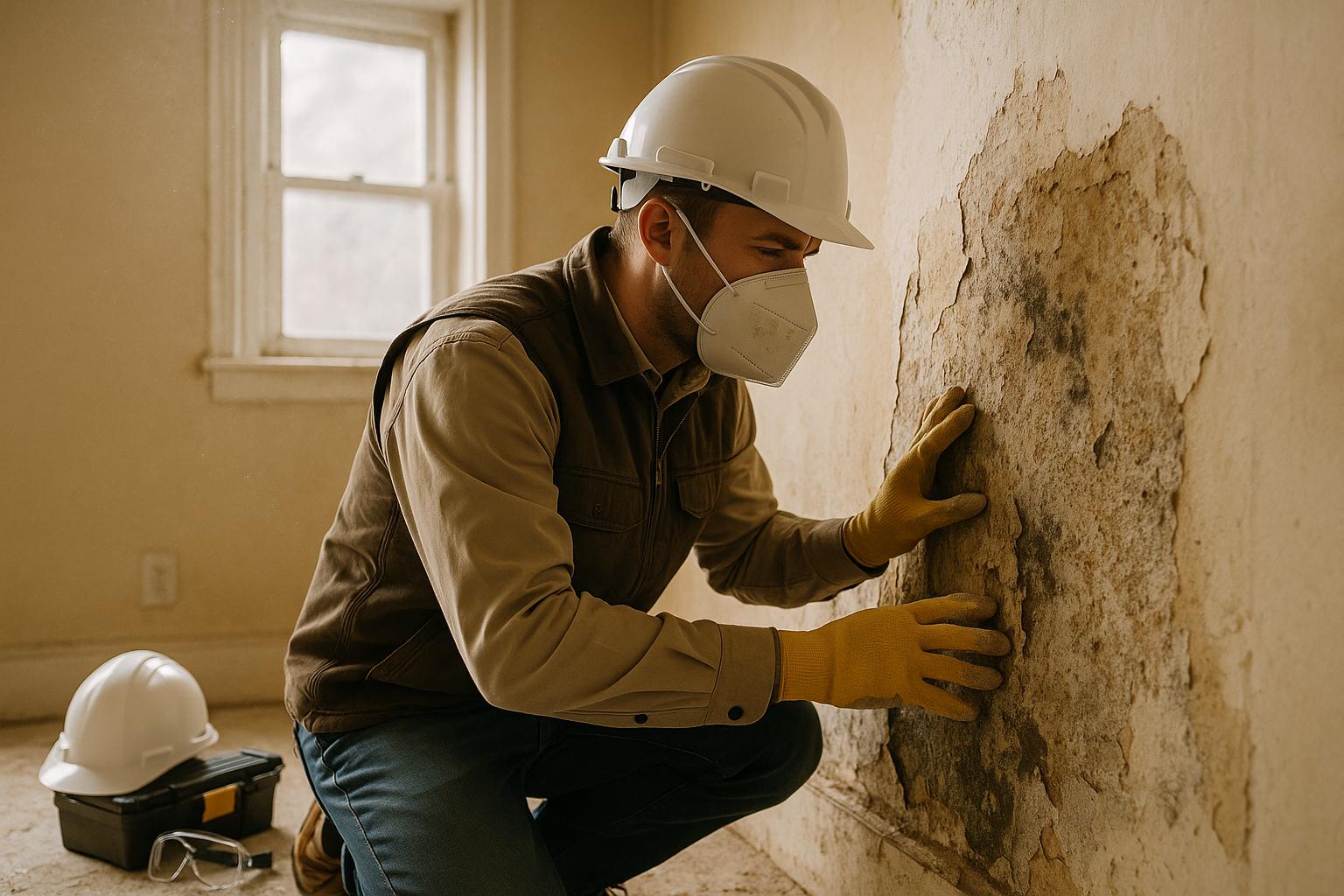
Retrofitting older homes can expose hidden health hazards like asbestos and mold. Homes built before 1980 often contain asbestos in insulation, flooring, or siding, while moisture issues can lead to mold growth in crawl spaces, basements, or walls. Both pose serious risks when disturbed during renovations.
Key Points:
- Asbestos: Found in insulation, vinyl tiles, siding, and ceiling materials; can cause lung cancer, mesothelioma, and asbestosis.
- Mold: Grows in damp areas like basements, bathrooms, and HVAC systems; triggers allergies, asthma, and respiratory issues.
What You Should Do:
- Get Inspections: Test for asbestos and mold before starting renovations.
- Hire Professionals: Certified contractors ensure safe removal and compliance with safety standards.
- Prevent Future Issues: Use asbestos-free materials and control moisture to avoid mold.
Ignoring these risks can harm your health and property value. Taking precautions ensures a safer, healthier renovation process.
Asbestos and Black Mold - What you need to know when dealing with these toxic materials.
Where Asbestos and Mold Hide in Older Homes
Understanding where asbestos and mold tend to hide is key to avoiding health risks during home renovations. These hazards often linger in surprising places, making a detailed inspection crucial before starting any work. Here’s a closer look at the common spots where asbestos and mold are typically found.
Common Asbestos Locations
Asbestos was a popular material in construction until the late 1980s, valued for its fire resistance and insulation properties. Homes built before 1990 are more likely to contain asbestos in various materials.
Insulation systems are a frequent culprit. Vermiculite insulation, especially the Zonolite brand made before 1990, often contains asbestos fibers. This gray, pebble-like material was widely used in attics across the country. Additionally, pipe insulation and boiler wrapping - often seen as white, chalky substances around heating systems - can contain asbestos.
Flooring materials from older homes may also pose a risk. Vinyl floor tiles and the adhesives used to install them frequently included asbestos. Both the tiles themselves and the glue used to secure them can release fibers if disturbed.
Exterior siding is another area of concern. Cement asbestos siding, common between the 1930s and 1980s, can release hazardous fibers when cut, drilled, or broken during renovations.
Interior wall and ceiling materials shouldn’t be overlooked. Textured paints, drywall joint compounds, acoustic ceiling tiles, caulking, and even window glazing putty in older homes may all contain asbestos.
Typical Mold Growth Areas
Mold, unlike asbestos, thrives in damp environments and can spread quickly wherever moisture is present. It often grows unnoticed until it becomes a significant issue.
Basements and crawl spaces are prime spots for mold. Poor ventilation, moisture seeping through concrete, and inadequate vapor barriers create ideal conditions. Mold often forms behind finished basement walls, where condensation accumulates.
Bathrooms and kitchens are especially vulnerable due to constant exposure to water and humidity. Mold can grow behind shower surrounds, under sinks, or around poorly sealed windows if moisture isn’t properly managed.
HVAC systems can also harbor mold, particularly in unconditioned spaces. Condensation on ducts, dirty air filters, or clogged drain pans can create the perfect environment for mold, which can then circulate throughout the home.
Roof and attic spaces are common hiding places for mold. Issues like ice dams, damaged shingles, or poor ventilation can lead to water intrusion. Mold often develops on roof decks or insulation, particularly near chimneys, skylights, or other roof penetrations.
Wall cavities can conceal extensive mold growth, especially in homes with plumbing leaks or water intrusion from the outside. Mold inside walls often goes unnoticed until renovations reveal stained framing or insulation.
A thorough inspection of these areas is essential before starting any renovation, especially in older homes where aging materials and moisture problems often overlap.
Health Dangers of Asbestos and Mold
Renovation projects can stir up harmful asbestos fibers and mold spores, creating serious health risks. Knowing the dangers is key to taking the right precautions.
Asbestos Health Effects
Exposure to asbestos can lead to severe illnesses like lung cancer, mesothelioma, and asbestosis. These conditions often take years or even decades to develop, as tiny asbestos fibers settle in lung tissue and cause long-term damage.
Mesothelioma, one of the most severe outcomes, is an aggressive cancer that affects the lining of the lungs, abdomen, or heart. It can take decades to appear after exposure. Since no amount of asbestos exposure is entirely safe, even minor renovations that disturb asbestos-containing materials can increase the risk of developing this disease.
Lung cancer linked to asbestos exposure is often hard to distinguish from other types of lung cancer. The risk is especially high for smokers who have been exposed to asbestos. Studies show that the combination of smoking and asbestos exposure greatly amplifies the likelihood of developing lung cancer compared to non-exposed individuals.
Asbestosis is a condition where lung tissue becomes scarred, causing breathing difficulties that worsen over time. Early symptoms might include shortness of breath during physical activity, but as the disease progresses, even routine tasks can become exhausting.
Disturbing asbestos materials - whether by cutting, sanding, or breaking - releases countless microscopic fibers into the air. These fibers can lodge deep in the lungs and bypass the body’s natural defenses. Because even small disturbances can pose a risk, professional testing and removal are essential when dealing with asbestos.
Mold contamination, while different, also poses immediate threats to respiratory health.
Mold Health Effects
Mold exposure can quickly lead to respiratory issues, allergic reactions, and complications for individuals with asthma.
Respiratory symptoms and allergic reactions caused by mold include coughing, wheezing, throat irritation, nasal congestion, sneezing, runny nose, red eyes, and skin rashes. These symptoms often worsen in mold-contaminated spaces but improve when the affected individual leaves the area. Repeated exposure can increase sensitivity, making future encounters with mold even more challenging.
Asthma complications are a major concern for the roughly 25 million Americans living with this condition. Mold exposure can trigger severe asthma attacks, sometimes requiring emergency intervention. For those with asthma, avoiding mold and relying on professional removal services is critical.
People with weakened immune systems - such as those undergoing cancer treatment, taking immunosuppressive drugs, or living with HIV/AIDS - face a higher risk of serious lung infections when exposed to mold.
Certain types of mold, like Stachybotrys chartarum (commonly known as black mold), produce mycotoxins that may cause additional symptoms such as headaches, memory problems, mood swings, and fatigue. While not everyone exposed to toxic mold experiences these effects, the potential risks highlight the importance of professional remediation.
Children’s developing lungs are particularly vulnerable to asbestos and mold exposure. If hazardous materials are being removed, it’s wise to relocate children to a safe environment during the process.
Safe Testing and Removal Methods
When dealing with hazardous materials, safe testing and removal are essential steps in ensuring your home is both secure and healthy. Once potential hazards are identified, precise testing and proper removal methods are critical to addressing the issue effectively. This process often requires specialized techniques and the expertise of certified professionals.
Professional Testing and Inspections
Certified inspectors play a key role in identifying hidden dangers like asbestos and mold. For asbestos, they rely on accredited laboratory analysis of collected samples. When it comes to mold, air or surface sampling helps pinpoint moisture-related issues. In some cases, advanced tools like moisture mapping can uncover hidden water damage that may be fueling mold growth.
Licensed Asbestos Removal
Asbestos removal is not a DIY job - it requires licensed abatement contractors who follow strict safety protocols. These professionals use containment measures to prevent the spread of asbestos fibers and keep the material damp during removal to minimize airborne particles. Proper personal protective equipment (PPE) is essential to safeguard both workers and residents. After the removal process, independent inspectors conduct clearance testing to confirm the area is safe for reentry.
Mold Removal Steps
The first step in mold remediation is addressing its root causes, such as repairing leaks and improving ventilation. Professionals then use containment measures to stop mold spores from spreading during cleanup. Depending on the severity of the contamination, affected areas may be cleaned, treated with antimicrobial solutions, or removed entirely if necessary. HEPA vacuuming and thorough drying are crucial steps to prevent mold from returning. To ensure the environment is safe, visual inspections and air quality tests are performed as the final step.
sbb-itb-85e0110
Preventing Future Asbestos and Mold Problems
Once you’ve addressed existing hazards, it’s crucial to take steps to avoid future issues. Start by ensuring that any new materials used in retrofitting or renovations are completely free of asbestos. Additionally, focus on controlling moisture levels and opt for mold-resistant materials to minimize the chances of mold growth. These measures not only help protect your health but also maintain the value of your property. Here’s a closer look at how to make safer material choices for long-term peace of mind.
Safe Material Selection
Materials containing asbestos can often look identical to those that are safe, making it essential to confirm their safety. Always check that any new materials come with proper documentation explicitly stating they are asbestos-free.
Working with Professionals for Safe Retrofitting
Handling asbestos and mold during retrofitting projects is not just about getting the job done - it's about doing it safely. These materials can pose serious health risks if disturbed, making professional oversight essential to protect both your well-being and compliance with safety regulations.
When Professional Help Is Necessary
If testing confirms the presence of asbestos-containing materials in your home, attempting to remove them yourself is highly dangerous. Disturbing asbestos can release harmful airborne fibers, which are known to cause severe long-term health issues.
Mold contamination, especially when widespread, is another issue that requires professional attention. Significant mold growth often signals underlying moisture problems that need expert evaluation and remediation. This is particularly critical if mold is present in your HVAC system, as circulating spores can spread contamination throughout your entire home.
During complex retrofitting projects, hidden hazards often come to light. Professional contractors are trained to identify these risks before they become a problem. They follow strict safety protocols to ensure that your project is handled responsibly from start to finish.
To ensure you’re working with qualified professionals, take the time to verify their credentials. For asbestos-related work, look for contractors trained to meet EPA or state-approved standards. They should hold licenses such as Asbestos Abatement Worker, Supervisor, Inspector, Management Planner, or Project Designer. For mold remediation, seek certifications from organizations like the IICRC, with credentials such as AMRT, Mold Remediation Specialist, Water Damage Restoration Technician, or Building Moisture Inspection.
Bayshore Exteriors: A Trusted Partner for Safe Retrofitting

Choosing the right professionals for your retrofitting project is critical, and Bayshore Exteriors stands out as a reliable option. They specialize in exterior retrofitting solutions, offering services that prioritize safety and thoroughness. From detailed hazard assessments to working with certified abatement professionals, Bayshore Exteriors ensures every aspect of your project is handled with care.
Their expertise extends to James Hardie siding installation, roofing, windows, and custom makeovers. They address potential hazards like asbestos in older materials and mold caused by water intrusion, safeguarding both your health and your property’s value.
Bayshore Exteriors follows established safety protocols and collaborates with licensed specialists for handling hazardous materials. This team-based approach ensures that your renovation project stays safe, complies with regulatory standards, and protects your long-term investment in your home.
Conclusion: Safe Retrofitting Protects Health and Investment
Upgrading older homes enhances their efficiency, comfort, and overall value. But overlooking risks like asbestos and mold can quickly turn a renovation into a costly and hazardous mistake, threatening both your family's health and your financial investment.
The dangers are real. Globally, an estimated 125 million people remain at risk of occupational asbestos exposure. What's more, asbestos-related illnesses can take decades to surface, making prevention a critical step in any renovation project.
"Before beginning any construction or remodeling work on an older building, an asbestos inspection is not only wise - it may be legally required." - ASAP Environmental Inc.
Taking proactive measures, like inspections and remediation, can save money and prevent unexpected delays. Homes with hidden asbestos problems often face reduced property values and insurance hurdles [9]. By investing in professional inspections and hiring certified remediation experts early on, you protect both your property and your loved ones.
Disturbing asbestos or mold releases harmful fibers and spores, putting everyone - family members, workers, and visitors - at risk. Licensed removal professionals are trained to handle these hazards safely, minimizing exposure and ensuring compliance with safety standards.
Partnering with certified experts, such as the team at Bayshore Exteriors, guarantees thorough hazard assessments and strict adherence to safety protocols. Safe retrofitting isn't just about meeting regulations; it's about creating a healthier, safer home while protecting your property's value. By prioritizing safety from the start, you ensure your renovation delivers the results you want without compromising the things that matter most: your family's well-being and your home's future.
FAQs
How can I tell if my home has asbestos or mold before starting a retrofitting project?
If your house was built before the 1980s, there’s a chance it could have asbestos in materials like insulation, popcorn ceilings, floor tiles, or drywall. Watch out for warning signs such as crumbling, cracking, or discoloration in these materials. Because asbestos poses health risks, it’s best to call in a professional inspector for testing. DIY kits might seem convenient, but they often lack the accuracy needed for something this serious.
When it comes to mold, look for visible growth - this often shows up as fuzzy or discolored patches in shades like black, green, yellow, brown, or white. A musty smell, water damage, or leaks can also signal hidden mold. If the growth seems widespread or you’re having trouble pinpointing the source, a professional mold inspection is the safest way to ensure your home is secure before starting any retrofitting projects.
What health risks can asbestos and mold pose during home renovations?
When renovating your home, exposure to asbestos or mold can present serious health risks if not managed correctly. Disturbing materials that contain asbestos can release dangerous fibers into the air. Over time, inhaling these fibers can lead to severe illnesses such as mesothelioma, lung cancer, or asbestosis - conditions that often arise after prolonged or significant exposure.
Mold, on the other hand, can trigger allergic reactions, cause respiratory problems, and aggravate conditions like asthma, especially in areas prone to dampness or water damage. Both asbestos and mold require proper assessment and safe removal to ensure your health and safety throughout the renovation process.
For a secure and efficient renovation, partnering with seasoned professionals like Bayshore Exteriors can make all the difference. Their expertise and commitment to safety help ensure your project is handled with care and precision.
How can I safely address asbestos and mold during a home renovation?
When dealing with asbestos and mold during a renovation, safety should be your top priority. The best approach? Work with certified professionals who stick to strict safety protocols.
For asbestos, experts use techniques like applying wetting agents to keep harmful fibers from becoming airborne. They also focus on proper containment and ensure the material is disposed of according to regulations. Mold remediation, on the other hand, starts with identifying and addressing moisture problems. Once that's under control, the affected areas are cleaned with detergent and water, followed by thorough drying to stop mold from making a comeback.
It's essential to make sure the removal process aligns with local regulations and industry standards to safeguard both your health and your home. If you're planning exterior renovations, Bayshore Exteriors offers expert guidance and services to help make your project safe and successful.