How to Choose Weatherproof Outdoor Lighting
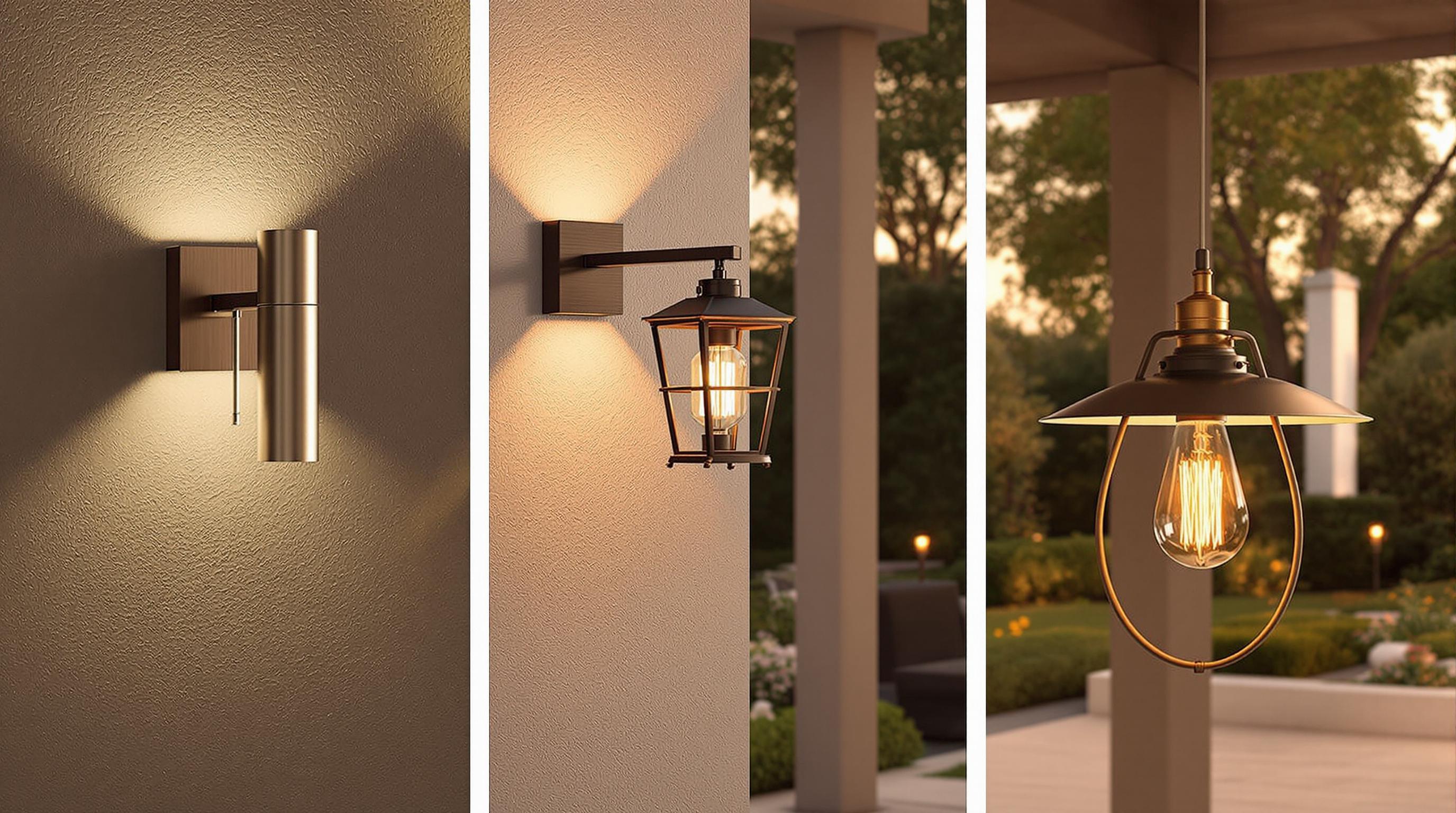
How to Choose Weatherproof Outdoor Lighting
- Why It Matters: Outdoor lights face rain, UV rays, and temperature changes. Choosing durable, weatherproof options ensures safety, longevity, and lower maintenance.
- Material Choices:
- Best for Coastal Areas: Marine-grade stainless steel, brass.
- Affordable Options: Powder-coated aluminum (for less harsh environments).
- Avoid: Basic aluminum or plastic in salty, humid climates.
- Protection Ratings:
- Wet-Rated: For uncovered, exposed areas.
- Damp-Rated: For sheltered spaces like porches.
- IP Ratings: IP65 (rainproof), IP68 (submersible).
- Energy Efficiency: Use LED fixtures to save energy and reduce replacement needs.
- Design Tips: Match fixture style and size to your home's architecture; ensure proper placement for functionality and aesthetics.
| Environment | Recommended Materials | Protection Level |
|---|---|---|
| Coastal Areas | Marine-grade stainless steel, brass | IP68 or higher |
| Heavy Rain Regions | Brass, bronze | IP65 or higher |
| Mild Climates | Copper, brass | IP44 or higher |
Proper installation and regular maintenance, like cleaning and inspecting for corrosion, are essential to maximize the lifespan of outdoor lighting. For harsh environments, prioritize materials and designs built specifically for those conditions.
Outdoor Lighting - Comparing IP Ratings & Quality of Fittings
Weather Protection Ratings and Standards
When selecting outdoor lighting, understanding weather protection ratings is crucial. The IP (Ingress Protection) rating system provides a global standard for assessing how well lighting fixtures resist moisture and solid particles.
Wet vs. Damp Ratings Explained
Lighting fixtures are categorized based on their ability to handle moisture exposure. Here's a breakdown of common ratings and their best uses:
| Rating Type | Protection Level | Best Applications |
|---|---|---|
| Wet-Rated | Fully waterproof, suitable for direct water exposure | Open outdoor spaces, uncovered fixtures |
| Damp-Rated | Resistant to moisture but not direct water exposure | Covered porches, sheltered outdoor areas |
| IP65 | Dust-tight and protected against water jets | Security lights, deck lighting |
| IP68 | Resistant to continuous water immersion | Pool lighting, water features |
When choosing fixtures, look for certification marks like UL (Underwriters Laboratory) or Intertek ETL to ensure safety and compliance with industry standards.
Atom Lighting explains:
"As our international stamp of protection for all things electrical and mechanical, the IP system sets the universal benchmark for quality and application. A peace of mind warranty for contractors and consumers that products will have a life span 'fit for purpose'."
Coastal-Grade Lighting Requirements
Coastal environments demand lighting that can withstand harsh conditions like salt, humidity, and frequent exposure to the elements. Standard outdoor fixtures often don't hold up in these areas. For coastal use, prioritize the following:
Material Selection:
- Opt for marine-grade 316 stainless steel or metals that develop a protective patina over time.
- Use sealed housings to block moisture and prevent corrosion.
Protection Standards:
- Choose fixtures with at least an IP65 rating for general outdoor use.
- For areas exposed to salt spray, go with IP68-rated fixtures.
- Ensure all components are certified as marine-grade.
Fixtures that are merely salt-spray tested aren't suitable for installations within 5 miles of the coastline. Instead, select lighting specifically designed for coastal conditions. These often include features like double powder coatings or enhanced sealing to ensure they last in challenging environments.
How to Select Weather-Resistant Lighting
When choosing weather-resistant lighting, focus on three key factors: materials, energy efficiency, and design. These elements ensure your outdoor lighting will withstand the elements while complementing your home's style.
Best Materials for Outdoor Use
The longevity of outdoor lighting depends heavily on the materials used. Here's a breakdown of common materials and their performance:
| Material | Durability | Best Uses | Limitations |
|---|---|---|---|
| Brass | Excellent | Works well in all environments, including coastal areas | Higher cost |
| Marine-grade Stainless Steel | Very High | Perfect for coastal regions and extreme weather | Premium pricing |
| Copper | Excellent | Suitable for various environments | May attract theft |
| Aluminum | Moderate | Ideal for protected areas | Vulnerable to salt air in coastal regions |
| Plastic | Low | Budget-friendly installations | Short lifespan |
For harsh coastal conditions, opt for brass or marine-grade stainless steel instead of aluminum. Once you've chosen the right material, think about energy-efficient power options.
Power Usage and LED Options
Energy efficiency is just as important as durability. LED fixtures use 75–80% less energy than traditional 60W incandescent bulbs , and they last up to 50,000 hours - about 60 times longer than incandescent options . Plus, LEDs produce less heat, which reduces wear on the fixtures, and their solid-state design makes them highly shock-resistant.
When selecting LED fixtures, prioritize models with effective heat management, like aluminum housings with cooling fins . This helps maintain performance in varying outdoor temperatures.
Matching Your Home's Design
Your outdoor lighting should not only function well but also enhance your home's appearance. According to Mid-South Lighting Audio's 2024 recommendations, fixtures should generally be one-third to one-quarter the size of the door or garage opening they highlight .
Here are some fixture suggestions based on home styles:
| Home Style | Recommended Fixtures | Design Elements |
|---|---|---|
| Modern/Contemporary | Minimalistic designs | Clean lines and simple shapes |
| Traditional | Classic, historical-inspired pieces | Ornate finishes and timeless details |
| Farmhouse | Rustic fixtures | Combines vintage charm with modern materials |
| French Country | Elegant copper or iron pieces | Sophisticated and timeless aesthetics |
To avoid sizing mistakes, create a simple template to test how the fixture will look in its intended space.
sbb-itb-85e0110
Common Outdoor Light Fixtures
Choosing the right weather-resistant fixtures for your outdoor spaces ensures they last longer and perform well. Here’s a breakdown of fixtures suited for different exterior areas, building on earlier weatherproofing tips.
Porch and Entry Lights
Porch lights not only provide visibility but also add a layer of security. For basic tasks, aim for 300–500 lumens, and for security purposes, go for 700–1000 lumens . Match the fixture's protection level to its exposure:
| Location | Required Rating | Recommended Fixture Type |
|---|---|---|
| Fully Covered | IP44 | Pendant or wall-mounted lanterns |
| Partially Covered | IP65 | Weather-sealed wall sconces |
| Exposed Areas | IP66 | Fully waterproof fixtures |
For budget-friendly setups, consider the Hampton Bay Black Decorative Wall Light Lantern ($19.97) for covered areas . If you live in a coastal region, the Hampton Bay Wickford Weathered Bronze set ($69.97) offers greater durability .
Exterior Wall Lights
Wall-mounted lights are often exposed to the elements, so durability is key. Many options use Vivex material - a mix of ground marble powder, latex composite, and ATP adhesive - designed to withstand harsh weather .
"With the right outdoor lights, outdoor fun doesn't have to end when daylight does." - Destination Lighting
Here are some popular choices:
- Seaside 7.50-Inch Outdoor Wall Light ($46.95): Built with marine-grade materials, perfect for coastal settings .
- Small Bronze Square Outdoor Wall Light ($34.05): Combines modern aesthetics with a weather-resistant finish .
- 7.5-Inch Outdoor Jelly Jar Wall Light ($10.56): Features a sealed design for added protection .
Garden and Path Lights
Garden and pathway lights typically need 100–200 lumens per unit to light up walkways safely . These fixtures are designed to handle moisture and landscaping activities at ground level.
Key considerations:
- Materials: Look for solid copper or stamped brass with durable coatings.
- Light Spread: UV-resistant lenses ensure even illumination.
- Installation: Choose stake-mounted lights for flexible placement or permanent mounts for high-traffic zones.
Setup and Care Guidelines
Installing and maintaining your weatherproof lighting correctly can extend its lifespan and ensure safety.
Waterproof Installation Steps
Before starting, safety is key. Turn off power at the circuit breaker and double-check with a voltage tester to ensure no electricity is active .
| Installation Phase | Key Requirements | Safety Considerations |
|---|---|---|
| Pre-Installation | Locate underground utilities | Contact utility companies for marking |
| Mounting | Use a flat, stable surface | Secure with weatherproof hardware |
| Wiring | Enclose in a junction box | Use moisture-resistant wire nuts |
| Sealing | Ensure weather-tight connections | Leave a drain path at the bottom unsealed |
For low-voltage setups, secure connections with weatherproof junction boxes. Regular maintenance after installation is just as important to keep everything functioning properly.
Regular Maintenance Steps
To keep your lighting in top shape, inspect fixtures every three months, or more often if you live in an area with harsh weather conditions .
Here are some key maintenance tasks:
- Clean Fixtures: Turn off the power first. Use a soft, dry cloth or mild soapy water to clean the fixtures, especially if there's stubborn grime .
- Remove Oxidation: If corrosion appears, gently remove it with fine sandpaper or steel wool. Apply a metal primer and paint to prevent further damage .
- Inspect Connections: Check wiring monthly for any signs of damage or looseness. Look for water infiltration that could compromise safety .
"Maintaining outdoor lighting is crucial for security and safety. Well-lit properties deter intruders, making it essential for businesses and residential areas." - CAST Lighting
| Climate Condition | Inspection Frequency | Focus Areas |
|---|---|---|
| Coastal Areas | Monthly | Salt buildup, corrosion |
| Heavy Rain Regions | Quarterly | Drainage systems, seals |
| Mild Climates | Every 3 months | General cleaning, wiring connections |
For replacements, use outdoor-rated LED bulbs, confirm that fixtures are aligned correctly, and ensure that mounting hardware remains stable .
Conclusion: Making the Right Choice
Deciding on the best weatherproof outdoor lighting comes down to a few critical factors, with material choice being at the top of the list. Materials like bronze and brass stand out for their long-lasting durability, outshining aluminum and plastic alternatives .
In coastal areas, where salt air can be especially harsh, marine-grade stainless steel and composite materials provide excellent protection . Some manufacturers, like Generation Lighting with their StoneStrong line and Hinkley's Coastal Elements series, have created specialized products to tackle these challenges . Once the right materials are selected, proper installation practices become equally important.
| Environment Type | Recommended Materials | Key Features |
|---|---|---|
| Coastal Areas | Marine-grade stainless steel, composite | Resistant to salt air, UV protection |
| Heavy Rain Regions | Bronze, brass | Corrosion resistance, natural patina |
| Standard Climate | Copper, brass | Long-lasting, aesthetically ages well |
When assessing fixtures, always check their safety ratings. For spaces exposed directly to the elements, wet location-rated fixtures are the way to go. For covered areas, damp-rated options may be sufficient .
Professional Installation by Bayshore Exteriors

Did you know that weather-related problems account for 40% of outdoor lighting failures? . This makes professional installation a smart move. Bayshore Exteriors specializes in expert installation, ensuring fixtures are positioned for maximum durability and protected against moisture with techniques like applying dielectric grease .
Key installation practices include:
- Strategic placement to reduce wear and tear
- Using corrosion-resistant mounting hardware with rubber gaskets
- Employing effective weatherproofing methods
- Seamlessly integrating lighting with your existing exterior design
Hiring professionals also ensures compliance with safety standards and helps maintain warranty coverage . This thorough approach not only safeguards your investment but also extends the lifespan of your outdoor lighting system.