Ultimate Guide to Exterior Paint Longevity
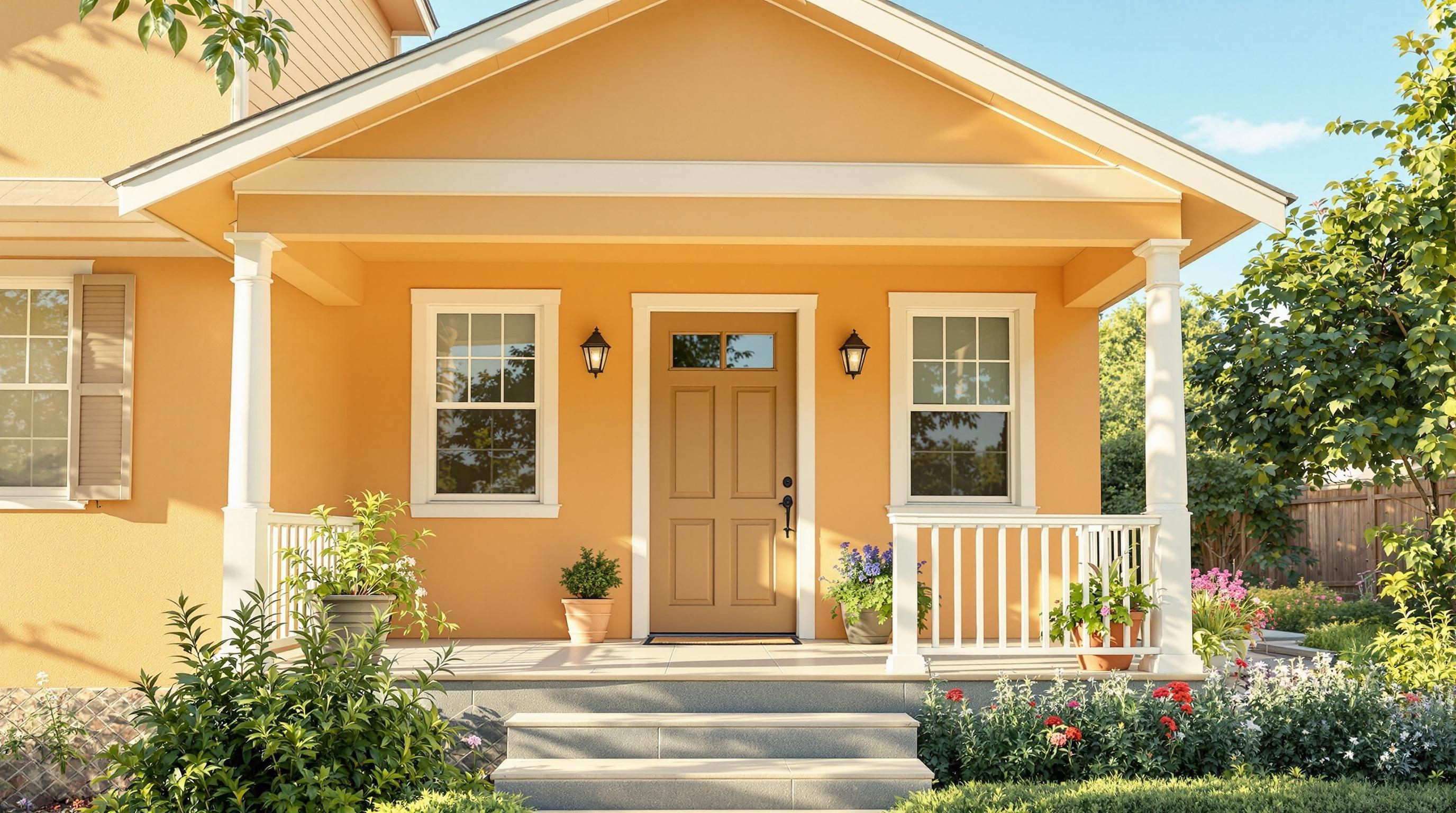
Ultimate Guide to Exterior Paint Longevity
Exterior paint does more than make your home look good - it protects it from harsh weather, pests, and moisture. But how long it lasts depends on your location, climate, and the type of paint you choose. Here’s the quick rundown:
- Average Lifespan: 5–15 years, depending on climate and paint type.
- Florida Homes: Repaint every 5–7 years due to high humidity, UV exposure, and storms.
- Best Paints: Acrylic latex lasts 5–12 years; elastomeric works well on stucco; oil-based is ideal for trim.
- Preparation is Key: Cleaning, repairs, and priming ensure paint adheres properly.
- Maintenance: Regular cleaning, inspections, and touch-ups can extend paint life.
Quick Comparison Table
| Factor | Florida (Hot/Humid) | General (Mild) | Best Paint Type | Lifespan |
|---|---|---|---|---|
| UV Exposure | High | Moderate | Acrylic Latex | 5–12 years |
| Humidity | High | Low | Elastomeric (Stucco) | 5–10 years |
| Maintenance Needed | Frequent | Low | Oil-Based (Trim) | 4–8 years |
For a durable, long-lasting finish, choose 100% acrylic latex paint, apply at least two coats, and maintain your home’s exterior with biannual cleaning and inspections.
How to Increase Exterior Paint Life
What Affects Paint Durability
Understanding the factors that impact exterior paint longevity can help you make better decisions for your home.
Weather Effects on Paint
Weather plays a huge role in how well paint holds up over time. Temperature and humidity are especially important. The best conditions for painting are temperatures between 50°F and 85°F with relative humidity levels of 40% to 50%. Deviating from these can lead to issues like blistering, bubbling, or cracking:
| Weather Condition | Impact on Paint | Tips to Avoid Issues |
|---|---|---|
| High Heat (>85°F) | Dries too fast, poor adhesion | Paint early morning or late evening |
| High Humidity (>85%) | Slows drying, causes bubbling | Delay painting until conditions improve |
| Freezing Temps | Makes paint brittle, prone to cracking | Wait for warmer weather |
| UV Exposure | Causes fading and chalking | Opt for UV-resistant paint |
Paint and Material Selection
The type of paint you choose is crucial for durability. For instance, in areas like Florida, acrylic latex paint is a great option, often lasting 5–12 years when applied correctly. Different surfaces require specific paint types to perform their best:
- Stucco/Concrete: Elastomeric paint offers waterproofing and flexibility.
- Brick/Masonry: Penetrating masonry stains reduce peeling.
- Wood Siding: Acrylic latex with mildew inhibitors works well.
- Aluminum Siding: Use paints designed for metal surfaces to improve results.
After selecting the right paint, proper surface preparation is key to ensuring it lasts.
"Choosing the best exterior paint for your Florida stucco home can save you a lot of time, money, and hassle. Here in Florida, a good exterior paint will also help waterproof your home even as it makes it more beautiful."
- Terry Fahlman, Allstate Waterproofing, Painting & Restoration Inc.
Proper Surface Prep and Application
Getting the surface ready before painting is just as important as the paint itself. A good prep routine includes:
- Surface Cleaning: Use a power washer to clear dirt, mold, and debris. Let the surface dry completely before painting.
- Damage Repair: Replace rotted wood, fill holes, and seal gaps around windows and doors with high-quality exterior caulk.
- Surface Smoothing: Scrape off peeling paint and sand rough areas to improve adhesion.
To avoid mishaps, professional painters suggest using tarps to shield freshly painted areas from unexpected rain. Stirring the paint regularly during application also helps maintain consistency.
Selecting Exterior Paint
Once your surfaces are properly prepped, the next step is finding the right paint for the job.
Paint Types Compared
Your choice of paint should align with your home's exterior and Florida's specific climate demands.
| Paint Type | Recommended Uses | Durability Outlook | Maintenance Needs |
|---|---|---|---|
| Acrylic Latex | General exterior applications, wood siding | Performs well on prepped surfaces, lasting up to 10 years | Low – easy to clean and maintain |
| Elastomeric | Stucco and masonry surfaces | Adds waterproofing and flexibility to handle small cracks | Moderate – annual inspections recommended |
| Oil-Based | Trim, doors, and railings | Smooth, durable finish but requires more frequent touch-ups | High – needs regular upkeep |
| Ceramic | High-heat areas | Reflects heat to reduce surface temperatures | Low – occasional cleaning |
Paint Durability Factors
Modern paint formulations include features designed to boost their longevity and performance:
| Feature | Benefit |
|---|---|
| UV Blockers | Protect against fading and extend the paint's lifespan |
| Mildew Inhibitors | Prevent fungal growth, reducing future maintenance |
| Moisture Barriers | Keep water out, safeguarding the surfaces underneath |
| Heat Reflective | Lower surface temperatures to reduce cracking and peeling |
The sheen you choose also matters. Matte finishes hide flaws, satin offers a balance of durability and cleanability, and high-gloss provides better water resistance. These features are key when picking paint brands that can handle Florida's unique climate.
Top Paint Brands
Top paint brands offer products tailored to withstand Florida's weather conditions.
"Cracking resistance is the critical attribute for exterior paints and stains because cracks expose a home's underlying siding or decking to water."
– Li Wang, Oversees CR's paint testing
To ensure the best results, keep these considerations in mind:
- Surface Compatibility: Different surfaces need specific formulations. For instance, paint on wood siding may last 4–10 years, while a properly painted brick finish can last 15–20 years. Always match the paint to your substrate.
- Climate Protection: Look for paints with additives that resist humidity, salt air, strong UV rays, and mold.
-
Application Requirements: A long-lasting finish depends on proper application:
- Apply at least two coats for durability
- Use high-quality brushes suited to the paint type
- Paint during mild weather for optimal drying
- Allow enough drying time between coats
sbb-itb-85e0110
Paint Prep and Application Steps
Surface Preparation Guide
Getting the surface ready is the foundation of a successful paint job. Use this checklist to make sure no step is missed:
| Preparation Step | Purpose | Key Actions |
|---|---|---|
| Cleaning | Remove dirt and grime | Power wash; scrub with detergent |
| Degreasing | Improve adhesion | Apply suitable solvents |
| Surface repair | Fix flaws | Fill cracks; sand rough areas |
| Priming | Create a solid base | Apply an approved primer |
The Association for Materials Protection and Performance (AMPP) highlights that thorough surface preparation is essential for achieving the best results. After prepping, confirm that weather conditions are suitable for painting.
Best Weather for Painting
Keep these weather tips in mind for the best results:
| Condition | Ideal Range | Warning Signs |
|---|---|---|
| Temperature | 50–70°F | Avoid painting below 40°F or above 90°F |
| Humidity | 40–70% | High humidity (above 70%) can delay drying |
| Surface Temp | 5°F above dew point | Use an infrared thermometer to check |
| Rain Forecast | No rain for 4–8 hours | Postpone if rain is expected |
"It is more important that the area is dry before you paint than after to assure that you will get a good bond".
Pro Painting Methods
Once the surface is prepped and the weather is right, focus on using professional techniques for smooth and even paint application.
Tools and Techniques:
- Use high-quality brushes and rollers with the correct nap; keep tools clean throughout the project.
- Paint in manageable sections, working from top to bottom.
- Overlap strokes to ensure even coverage.
- Maintain steady pressure and consistent speed.
For best results, apply two coats of 100% acrylic latex paint over the primer. Use exterior semigloss paint on trim and high-traffic areas for added durability.
Hirshfield's Paint Manufacturing offers paints designed for cooler conditions, working in temperatures as low as 35°F. However, make sure surfaces stay above 35°F for at least 36 hours after painting.
Paint Care and Upkeep
Keeping your paint looking great and performing well requires consistent maintenance after the initial application.
Cleaning and Inspections
Regular cleaning and inspections can significantly extend the life of your paint. Here's a simple breakdown:
| Maintenance Task | Frequency | Actions |
|---|---|---|
| Basic Cleaning | Biannually | Wash with mild soap; remove dirt and moss. |
| Deep Inspection | Twice yearly | Look for peeling, cracking, or fading paint. |
| Gutter Maintenance | Quarterly | Clear gutters and ensure proper drainage. |
| Caulk Inspection | Annually | Check doors and windows for failing caulk. |
"Seasonal (spring and fall) washing of your exterior is vital for keeping your house in good shape. This removes the buildup of dirt and moss and is a good opportunity to inspect your home for rotting wood, bubbling/flaking paint, or other defects." - Pete Baughman, Better Builders
Regular inspections help you catch small issues before they turn into costly repairs.
Quick Fixes and Touch-ups
Taking care of minor damage right away can prevent bigger problems down the line. Pay special attention to:
- Areas around windows and doors
- Trim and high-traffic zones
- Spots where branches make contact
- Areas frequently exposed to water
Big Dog Painting's Exterior Maintenance Program shows how annual inspections and touch-ups can save money. Customers who followed this approach for over a decade saw a noticeable reduction in repainting costs.
Paint Protection Tips
"The sun's ultraviolet (UV) rays are one of the biggest culprits when it comes to paint degradation. Over time, UV exposure causes paint to fade, blister, and peel"
Protect your paint from damage by using these methods:
| Protection Method | Benefits | Implementation |
|---|---|---|
| UV-Resistant Paint | Slows down fading from sun | Use on areas exposed to sunlight. |
| Water-Resistant Coating | Guards against moisture | Apply in humid or wet areas. |
| Ceramic Coating | Blocks 99% UV rays; lasts 2-5 years | Professional application required. |
| Landscape Management | Prevents physical damage | Keep trees and shrubs trimmed. |
Additional tips:
- Trim back overhanging branches.
- Ensure proper drainage around your home.
- Use gentle cleaning methods to avoid damaging the paint.
- Address moisture problems as soon as they appear.
"Addressing damage confined to small areas prevents spread, so inspect your home's exterior once or twice a year and take corrective action when necessary"
Final Tips and Resources
Professional Help Options
Professional painters can save you time and ensure your paint job lasts. They typically work 4–8 times faster than DIY efforts, with around 60% of their time focused on preparation. Sometimes, calling in the pros is the smartest move - especially in these cases:
| Situation | Why Professional Help Matters |
|---|---|
| Multi-story Homes | Needs specialized equipment and safety precautions |
| Significant Damage | Properly assesses and repairs underlying issues |
| Time Constraints | Completes the job in 3–4 days, compared to weeks DIY |
| Complex Surfaces | Requires material-specific knowledge and techniques |
Companies like Bayshore Exteriors offer end-to-end services, from preparation and material selection to expert application, all tailored to your local environment.
Quick Reference Guide
Want your paint to last? Follow these tried-and-true practices:
| Factor | Best Practice | Result |
|---|---|---|
| Paint Selection | 100% acrylic latex | Offers flexibility and UV resistance |
| Color Choice | Light colors (white, beige, gray) | Reflects heat and reduces expansion |
| Application Temperature | 60–85°F | Ensures optimal curing conditions |
| Maintenance Schedule | Biannual cleaning | Helps prevent premature wear |
Top-rated products include PPG Permanizer, Sherwin-Williams Duration, and Behr e600, all known for their durability and resistance.
For maintenance, an annual power wash and regular inspections are key. A mix of 70% water and 30% vinegar works well to clean dirt without harming the paint.
Professional painting services cost between $54 and $91 per hour. For a full exterior paint job on a three-story home, expect to pay between $8,974 and $13,491. While this is a considerable expense, quality application and upkeep can extend your paint job well beyond the usual 5–10 years.