Top 7 Weather-Resistant Paints for Home Exteriors
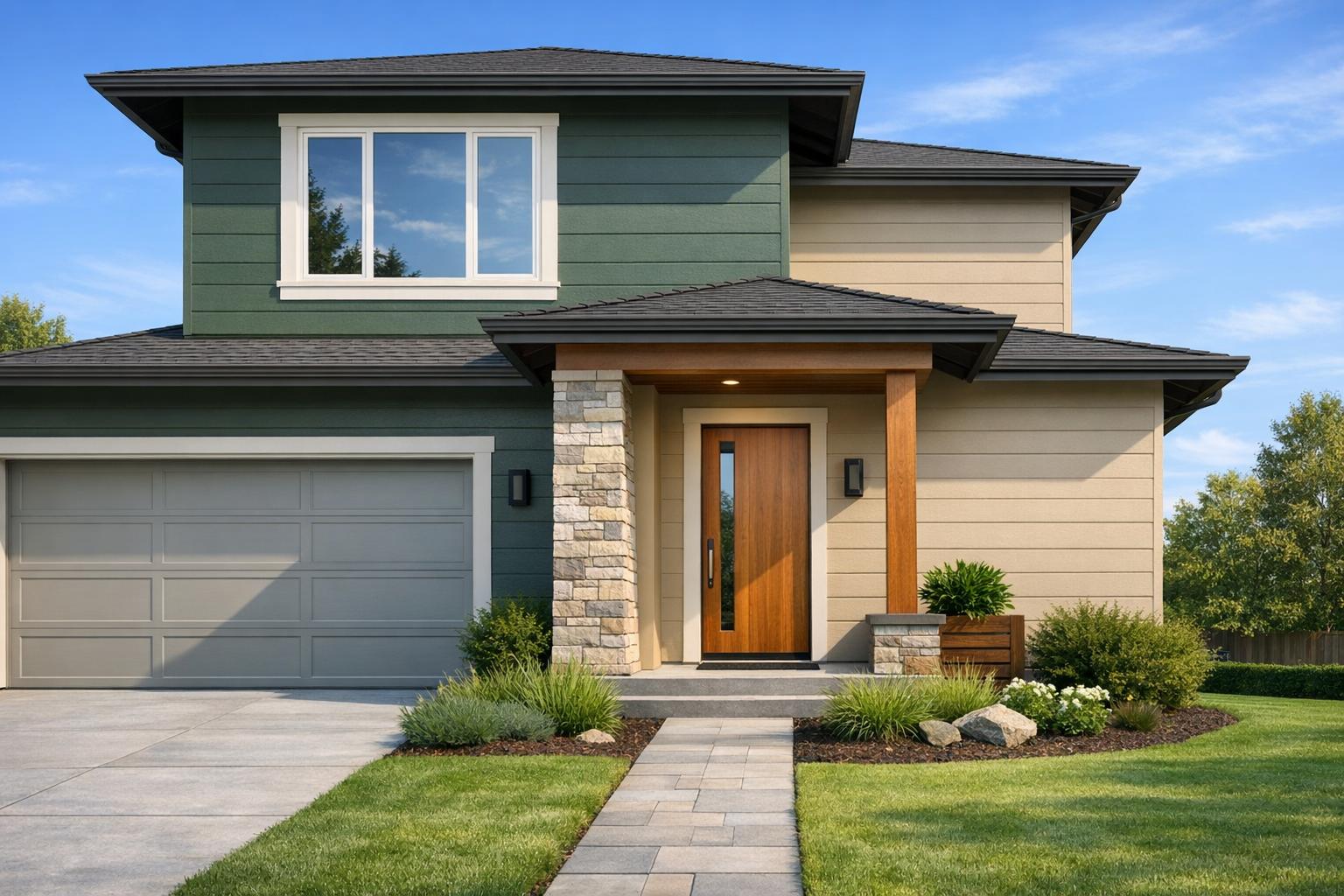
Top 7 Weather-Resistant Paints for Home Exteriors
- Sherwin-Williams SuperPaint Exterior Acrylic Latex: Durable across extreme temperatures (-20°F to 120°F), resists cracking, peeling, and fading. Best for wood, stucco, and fiber cement siding.
- Behr Premium Elastomeric Latex Paint: Forms a thick, flexible waterproof barrier, ideal for stucco, brick, and masonry in areas with freeze-thaw cycles or high heat.
- PPG Permanizer: Excels in UV resistance and minimal fading, with a lifetime warranty. Works well on wood, masonry, and vinyl siding.
- Behr Pro E600: Quick-drying, mold-resistant, and affordable. Great for large-scale projects on stucco, masonry, and primed wood.
- Sherwin-Williams Emerald Exterior Acrylic Latex: Self-priming, mildew-resistant, and performs well in colder temperatures (as low as 35°F). Suitable for wood, aluminum, and vinyl siding.
- Benjamin Moore Aura Exterior Paint: Known for vibrant color retention and surfactant resistance, making it a strong choice for rainy or humid climates.
- Sherwin-Williams Duration Exterior Acrylic Latex: Flexible, UV-resistant, and long-lasting with a lifetime warranty. Ideal for wood, brick, and vinyl siding.
Quick Comparison
| Paint | Best For | Key Strengths | Price Range | Warranty |
|---|---|---|---|---|
| Sherwin-Williams SuperPaint | Wood, stucco, fiber cement | Durable in extreme temperatures | $50–$70 per gallon | 5 years |
| Behr Premium Elastomeric | Stucco, brick, masonry | Waterproof, crack-bridging | Higher than acrylic | 8–12 years |
| PPG Permanizer | Wood, masonry, vinyl siding | UV resistance, minimal fading | Not specified | Lifetime |
| Behr Pro E600 | Stucco, masonry, primed wood | Quick-drying, mold-resistant | Affordable | Not specified |
| Sherwin-Williams Emerald | Wood, aluminum, vinyl siding | Mildew-resistant, self-priming | $110.99 per gallon | Lifetime |
| Benjamin Moore Aura | Rainy/humid climates | Vibrant colors, surfactant resistance | $94.99–$103.99 | Lifetime |
| Sherwin-Williams Duration | Wood, brick, vinyl siding | Flexible, UV-resistant | Not specified | Lifetime |
Choosing the right paint depends on your home’s location, climate, and surface type. Proper preparation and application are key for long-lasting results.
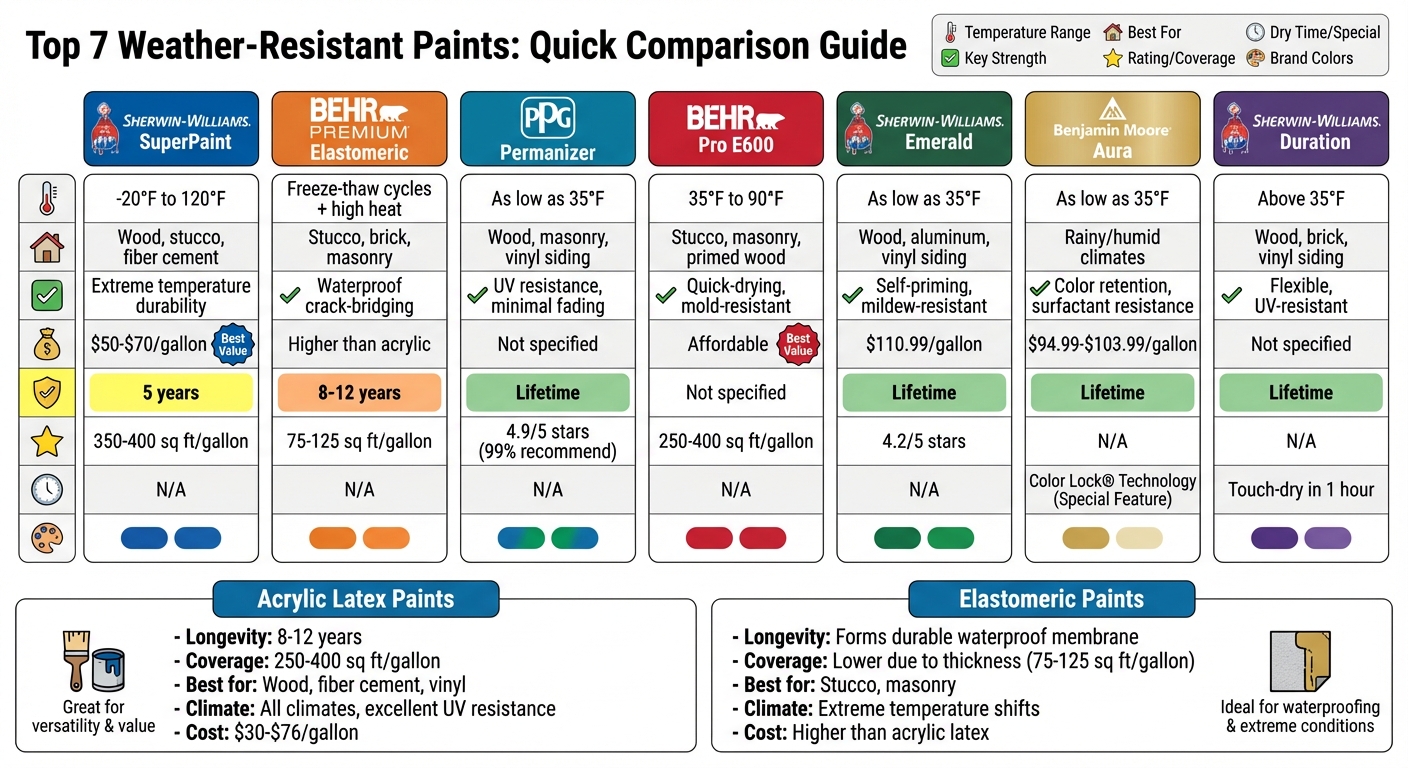
Weather-Resistant Exterior Paint Comparison: Features, Prices & Warranties
Sherwin-Williams’ Top 3 Exterior Paints - Which One is REALLY Worth It?
1. Sherwin-Williams SuperPaint Exterior Acrylic Latex
Sherwin-Williams SuperPaint Exterior Acrylic Latex is a solid choice for those seeking dependable exterior paint that can handle a range of weather conditions across the U.S. Its 100% acrylic latex formula is built to resist moisture, UV rays, and extreme temperatures - holding up from –20°F to 120°F. This durability helps prevent issues like cracking and peeling, even in challenging climates. Plus, it includes antimicrobial agents to combat mold and mildew in humid environments, with minimal blistering even after heavy rain.
One of its standout features is ColorLock technology, which ensures excellent color retention. Tests show it maintains over 90% of its vibrancy after three years of direct sunlight, outperforming many standard latex paints. The paint's flexible binders, which can expand up to 200%, also contribute to its durability, with less than 5% peeling observed during tests in harsh Colorado weather.
SuperPaint is versatile, working well on a variety of surfaces like wood siding, fiber cement (e.g., James Hardie), vinyl, aluminum, stucco, and brick. It also adheres effectively to primed galvanized metal. However, it’s not suitable for surfaces continuously submerged in water or unprimed softwoods that may bleed tannins. For those installing fiber cement siding, pairing it with experienced professionals, such as Bayshore Exteriors, can enhance both durability and curb appeal.
To ensure the best results, start by pressure washing surfaces (1,500–3,000 PSI) and priming areas that are bare or chalky. Apply two coats using a brush, roller, or airless sprayer with a 0.017–0.021 tip. Stick to temperatures between 50°F and 90°F, with humidity below 85%. Allow 4–6 hours between coats and 24 hours for a full cure. Each gallon covers about 350–400 square feet and comes with a 5-year limited warranty against cracking and peeling.
Real-world performance backs up these claims. For example, a Florida coastal home saw its stucco finish last seven years without fading or mildew, while a Midwest ranch endured five years of freeze-thaw cycles with no cracking. Priced at $50–$70 per gallon at full retail (with frequent sales and contractor discounts), SuperPaint offers impressive durability and color retention at a reasonable cost.
2. Behr Premium Elastomeric Latex Paint

Behr Premium Elastomeric Latex Paint is a 100% acrylic coating specifically designed for masonry, stucco, brick, and concrete surfaces. What sets it apart from standard exterior paints is its ability to form a thick, flexible waterproof barrier. This barrier not only bridges hairline cracks up to 1/16 inch but also helps prevent new ones from forming - making it an excellent choice for areas with fluctuating temperatures or settling structures.
The paint’s rubber-like film is engineered to expand and contract with the home’s exterior, allowing it to withstand freeze-thaw cycles in colder regions and the intense heat of the Southwest without cracking or peeling. This flexibility ensures durability in climates where temperature extremes are the norm.
In coastal or wet environments, where wind-driven rain is frequent, this paint shines. Its thick coating resists water intrusion on porous masonry while remaining vapor-permeable, meaning it lets trapped moisture escape. For sunnier, high-UV regions like Florida, Texas, and Arizona, its 100% acrylic formulation holds up against chalking and fading, keeping colors vibrant and finishes intact on south- and west-facing surfaces that get hit with intense afternoon sunlight. Professional contractors often recommend lighter, reflective colors to minimize heat buildup and reduce UV damage.
This elastomeric coating performs best on surfaces such as stucco, cement plaster, concrete block, brick, and fiber-cement siding when properly primed. However, it’s not suitable for bare wood siding or metal surfaces, where high-quality acrylic latex paints are a better fit. Contractors often combine elastomeric coatings for masonry with premium acrylic paints on wood trim for a balanced and cohesive finish.
For optimal results, start by pressure washing the surface to remove dirt, chalk, and mildew. Repair cracks larger than 1/16 inch with a masonry patch or elastomeric caulk before applying the paint. Use an airless sprayer for application, followed by back-rolling with a 3/4- to 1-inch nap roller to ensure the coating penetrates pores and cracks effectively. Two heavy coats are necessary, with a coverage rate of approximately 75–125 square feet per gallon per coat. Apply the paint when temperatures are between 50°F and 90°F, avoiding direct sunlight and ensuring it dries before evening dew or rain.
Proper application is key to achieving the best performance. The patented elastomeric film requires adequate thickness to deliver its waterproofing benefits, so avoid overextending the coverage. When applied correctly, elastomeric coatings can last 8–12 years in harsh conditions, far outlasting the 3–5 years typical of lower-quality paints. For a comprehensive weather-resistant exterior, consider working with specialists like Bayshore Exteriors to incorporate elastomeric coatings into your overall strategy.
3. PPG Permanizer
PPG Permanizer proved to be the standout in a rigorous three-year study testing eight exterior paints under Colorado's challenging climate. The experiment exposed paint samples to full-day sunlight on flat, horizontal surfaces - conditions far more punishing than those faced by typical vertical siding. Paint Pals, the team behind the study, shared these findings:
At the end of the experiment, one paint clearly stood out: PPG Permanizer. It experienced the least amount of color shift or fading and retained its sheen the best. It resisted dirt and dust accumulation, and experienced almost no peeling.
These results highlight the paint's exceptional durability and reliability, reinforced by its advanced 100% acrylic formula.
This acrylic paint-and-primer combination is designed for a wide range of surfaces, including prepared wood, brick, masonry, concrete, weathered aluminum, vinyl siding, and primed metal. Long-term performance reports are equally impressive: a St. Louis homeowner noted flawless results after a decade on primed Hardieboard, with no fading or chalking even after annual soft washing. Similarly, in Victoria, Texas, the paint smoothed hardy plank waves and sealed cedar siding cracks with just one coat.
PPG Permanizer is engineered to handle various weather conditions, making it suitable for cooler temperatures as low as 35°F. Its excellent early moisture resistance allows for painting even during extended seasons. The thicker formula requires two coats for optimal coverage, and proper surface preparation - cleaning, sanding, and repairing - is essential. For woods prone to tannin staining, such as redwood or cedar, two primer coats may be necessary to prevent discoloration.
Customer feedback underscores its reliability, with a 4.9 out of 5-star rating from 82 reviewers and 99% recommending it. PPG Permanizer not only offers superior coverage and ease of use but also comes with a limited lifetime warranty against cracking, flaking, and peeling. Its UV-Protect Technology helps guard against color fading and mildew growth, ensuring lasting results across diverse climates.
4. Behr Pro E600
After the proven toughness of PPG Permanizer, Behr Pro E600 steps in as a professional-grade exterior paint that dries quickly and works on a wide range of surfaces. This 100% acrylic paint offers strong coverage and a smooth, even finish, making it a dependable choice for large-scale exterior projects.
Ruben from Sayan Construction shares his experience:
"We look for exceptional coverage and durability, which is why we choose BEHR PRO® E600."
This paint is designed for versatility, performing well on surfaces like stucco, masonry, brick, primed wood, and primed metal. Its formula is built to handle harsh UV rays and high humidity, ensuring durability in challenging weather conditions. Plus, the dried surface resists mold and mildew, helping it maintain its look even in damp environments. It dries fast, allowing for recoating in just a few hours.
Before application, make sure surfaces are clean, dry, and properly primed. Paint when temperatures are between 35°F and 90°F, and avoid painting if rain, snow, or heavy dew is expected within 24 hours. For vinyl siding, stick to the same or lighter shades to avoid warping. Behr Pro E600 is easy to apply with an airless sprayer, roller, or brush. It covers 250–400 square feet per gallon and comes in over 2,500 colors. Cleanup is simple - just warm, soapy water does the job. With these features, Behr Pro E600 earns its spot as a top choice for exterior painting projects.
sbb-itb-85e0110
5. Sherwin-Williams Emerald Exterior Acrylic Latex
Sherwin-Williams Emerald Exterior Acrylic Latex is a top-tier choice for exterior paint, designed with patented cross-linking technology to deliver exceptional durability and performance. This advanced formula resists common issues like blistering, peeling, fading, and dirt buildup. It also includes mildew-resistant agents to protect the coating film, making it a reliable option for long-term use. Plus, its versatility ensures smooth application across various climates.
One standout feature is its ability to perform in colder temperatures, remaining effective even at 35°F. This extends your painting season and allows for more flexibility in scheduling projects. Thanks to its self-priming formula, you can achieve outstanding results with fewer coats - two coats for bare surfaces and just one for repainting. With a quick 4-hour dry time, it simplifies the entire process.
This paint works well on a variety of exterior materials, including aluminum siding, galvanized steel, concrete block, stucco, plywood, wood, and vinyl siding. For vinyl siding, if you're using darker colors or shades with a Light Reflective Value (LRV) below 56, it's recommended to choose VinylSafe™ colors to avoid warping or buckling. When dealing with tannin-rich woods like redwood or cedar, spot prime stubborn stains using an Exterior Oil-Based Wood Primer if needed after the first coat.
Priced at $110.99 per gallon or $554.95 for a 5-gallon container, this paint comes with a Lifetime Limited Warranty and complies with strict VOC regulations. With a customer rating of 4.2/5 from 54 reviews, it offers the durability and weather resistance homeowners seek for lasting exterior protection.
6. Benjamin Moore Aura Exterior Paint
Benjamin Moore Aura Exterior Paint stands out with its proprietary Color Lock® Technology, designed to maintain vibrant colors and gloss while offering strong UV and fade resistance. It’s also formulated to tackle surfactant leaching, a common issue in rainy climates that can leave unattractive marks on exterior surfaces. As Benjamin Moore explains:
"Surfactant leaching can leave unsightly marks on exteriors, especially in areas with heavy rain. AURA® Exterior's formulation eradicates leaching concerns, making it a vital choice for high-moisture climates."
The paint’s high-build formula ensures excellent coverage and hide, often reducing the need for multiple coats. It dries quickly and allows for re-coating at temperatures as low as 35°F, extending the painting season even in cooler weather. While Aura Exterior is self-priming in most cases, brick surfaces should still be primed for optimal results. These features make the application process more efficient and straightforward.
This acrylic/latex paint is versatile, working well on surfaces like wood siding, brick, fiber cement, stucco, and EIFS. It can be applied using a brush, roller, or sprayer. Before starting, make sure surfaces are clean, dry (wood moisture should be below 15%), and deglossed if previously coated with a high-gloss finish.
Aura Exterior Paint is priced between $94.99 and $103.99, depending on the finish, and comes with a Lifetime Limited Warranty. It’s built to withstand wind-driven rain, resist mildew, and minimize dirt pickup. Its durability against cracking and fading makes it a reliable choice for long-term exterior protection.
7. Sherwin-Williams Duration Exterior Acrylic Latex
Sherwin-Williams Duration Exterior Acrylic Latex is designed with advanced acrylic and PermaLast® Technology, creating a durable barrier that stands up to heavy rain, strong UV rays, and wind. Its flexible formula adjusts to temperature changes, helping to prevent common issues like peeling, cracking, and fading over time.
This paint offers excellent color retention and includes mildewcides to combat mold growth, especially in humid environments. Sherwin-Williams backs Duration with a limited lifetime warranty that covers peeling, blistering, and fading, underscoring its durability. These qualities make it a practical choice for a range of exterior applications.
Duration works well on a variety of surfaces, including walls, trim, gutters, soffits, fascia boards, and door and window frames. It adheres to materials like wood, brick, and vinyl siding. However, for stucco surfaces, elastomeric paint is a better option due to stucco's tendency to develop small cracks that require more flexible protection. The paint is self-priming in most cases, dries to the touch in about an hour, and is ready for use the next day.
When painting previously coated surfaces, one coat is usually sufficient. For bare surfaces, two coats are recommended, with a 4-hour drying interval between applications. It’s best to apply Duration when temperatures are above 35°F and to avoid direct sunlight during application. For vinyl siding, use VinylSafe® Colors with an LRV of 56 or higher to ensure proper performance. With a low VOC content (less than 50 g/L), this paint is both environmentally conscious and quick-drying, becoming touch-dry in an hour and ready for use overnight.
With its durability and ease of application, Duration is among Sherwin-Williams' premium exterior paints, offering homeowners long-lasting results with minimal maintenance over time.
Paint Comparison Table
When deciding between acrylic latex and elastomeric paints for your exterior, it’s important to consider the type of material you’re painting and the climate in your area. Both options provide dependable weather protection, but they perform best under different conditions. Acrylic latex paints are widely recognized as the modern standard for their durability, breathability, and resistance to UV rays. On the other hand, elastomeric coatings are thicker and more flexible, forming a waterproof barrier that can even seal small cracks. Below is a comparison of their key features, including longevity, coverage, and suitability for various climates.
Acrylic latex paints offer a lifespan of 8–12 years on surfaces that have been properly prepared. They provide coverage of 250–400 square feet per gallon, making them ideal for wood, fiber cement, and vinyl siding. These paints are resistant to fading and cracking, even in diverse climates, and can be applied in temperatures as low as 35°F. Prices typically range from $30 to $76 per gallon.
Elastomeric paints, while thicker, cover less area per gallon compared to acrylic latex. They are more labor-intensive to apply, which adds to their overall cost. However, their durability shines in challenging conditions. These paints create a waterproof membrane, making them perfect for stucco and masonry in areas with extreme temperature changes. Their flexibility allows them to seal small cracks, preventing water damage and reducing the risk of expensive repairs.
| Feature | Acrylic Latex Paints | Elastomeric Paints |
|---|---|---|
| Longevity | 8–12 years on well-prepped surfaces | Forms a durable waterproof membrane |
| Yield | 250–400 sq. ft. per gallon | Lower coverage due to thickness |
| Best Climate | Suitable for all climates; excellent UV resistance | Ideal for extreme temperature shifts |
| Fade Resistance | Excellent UV protection and color retention | Not specifically rated for UV fading |
| Crack Resistance | Resists cracking and peeling | Bridges small cracks; highly flexible |
| Best Surfaces | Wood, fiber cement, vinyl siding | Stucco, masonry |
| Application | Can be applied at 35°F and above | More labor-intensive to apply |
| Cost | $30–$76 per gallon | Higher than acrylic latex |
This table highlights the strengths of each paint type, helping you choose the best match for your home. For sunny, dry climates, acrylic latex paints with UV protection are a great choice. In colder, more humid areas, elastomeric paints excel due to their waterproofing and crack-bridging abilities. Selecting the right paint not only enhances your home’s appearance but also cuts down on long-term maintenance expenses. In fact, using the proper exterior paint can extend the lifespan of your siding by up to 40% while lowering yearly upkeep costs.
Conclusion
Selecting the right weather-resistant paint is all about aligning your local climate conditions with the needs of your home's exterior. The seven paints highlighted here each offer distinct advantages - whether it’s strong UV resistance, excellent waterproofing, or crack-bridging properties. For homes in sunny, arid regions, acrylic latex paints are ideal since they resist fading and cracking caused by UV exposure. On the other hand, elastomeric paints shine in colder areas with ice and snow, offering flexibility and durability.
Your paint serves as the first line of defense against weather-related damage. To avoid costly repairs and premature wear, it’s critical to understand both the unique demands of your climate and the characteristics of your exterior surfaces. Choosing the right paint for your specific environment and surface type ensures lasting protection.
When aiming for the best outcome, working with skilled professionals can make a world of difference. Experienced contractors can help you select the right products, properly prepare surfaces, and address common issues like peeling paint or efflorescence. They also ensure proper priming and caulking techniques, which are key to achieving a durable finish. Additionally, they can recommend paints tailored to resist cracking, fading, mildew, and dirt, extending the life of your exterior.
If you’re planning an exterior painting or renovation project, consider reaching out to Bayshore Exteriors. Their comprehensive services - from consultation and planning to installation and finishing - ensure your project is done right, on schedule, and within your budget. With expert guidance, you can protect your home and investment for years to come.
FAQs
What should I look for when choosing weather-resistant paint for my home’s exterior?
When choosing weather-resistant paint for your home’s exterior, it’s all about finding a product that stands up to the elements. Look for paint that can handle UV exposure without fading, cracking, or peeling. Also, opt for one that guards against mildew and dirt buildup - essential if you’re in a humid or rainy area. For colder climates, select paints that can be applied in temperatures as low as 35°F, ensuring they remain flexible and easy to work with during application.
Keep your home’s surface material and climate in mind. Different materials - like wood, stucco, brick, or vinyl - may require specific types of paint or primers to achieve the best results. In warmer climates, lighter colors are a smart choice as they reflect heat more effectively. If you prefer darker shades, make sure the paint includes reflective pigments to avoid overheating. And don’t overlook the importance of preparation - cleaning and repairing surfaces beforehand is critical for a finish that lasts.
For expert advice and a professional touch, Bayshore Exteriors offers exterior painting services that not only protect but also enhance the beauty of your home.
What’s the difference between elastomeric paint and acrylic latex paint for exterior applications?
Elastomeric paint stands out as a thicker, high-build coating designed for exceptional flexibility and durability. Its unique composition allows it to bridge small cracks on surfaces like masonry, concrete, wood, and metal, making it a great option for areas that experience frequent weather changes. On the other hand, acrylic latex paint is thinner, often requiring multiple coats to achieve full coverage, and offers less flexibility.
Thanks to its elastic polymer content, elastomeric paint resists water, cracking, UV rays, and extreme temperatures, providing a finish that lasts longer. While acrylic latex paint offers decent protection, it’s more likely to fade or crack under tough weather conditions. For homes in regions with large temperature swings or heavy rainfall, elastomeric paint tends to be the smarter choice for long-term durability.
What type of paint works best for homes in areas with extreme temperature changes?
For homes located in areas with large temperature fluctuations, 100% acrylic latex exterior paint is a smart option. Its flexible nature helps it adjust to the surface as it expands and contracts, which minimizes the chances of cracking or peeling. This long-lasting quality makes it a reliable choice for safeguarding your home’s exterior in tough weather conditions.