What James Hardie Elite Contractor Status Covers in Tampa
What Elite Preferred status covers — training, insurance, and warranty support — and what it doesn’t: licenses, permits, and workmanship coverage.
Lorem ipsum dolor sit amet, consectetur adipiscing elit. Suspendisse varius enim in eros elementum tristique. Duis cursus, mi quis viverra ornare, eros dolor interdum nulla, ut commodo diam libero vitae erat. Aenean faucibus nibh et justo cursus id rutrum lorem imperdiet. Nunc ut sem vitae risus tristique posuere.
South Tampa siding jobs can hit $27,500 to $34,500 for James Hardie fiber cement (verify with client before publish).
If you searched for vinyl siding, here’s the short answer: James Hardie fiber cement usually makes more sense in Tampa Bay. Florida heat, wind-driven rain, salt air, and Hillsborough County code checks put more pressure on siding and installation details than many homeowners expect.
What Elite Preferred status tells you is fairly narrow. It points to manufacturer training, screened business standards, insurance, and a 90% GuildQuality recommendation score. But it does not replace a Florida license, local permits, inspections, or a written labor warranty.
Before you compare bids, focus on these points:
- Elite status shows James Hardie program approval
- Florida licensing and permits show the job can move through code review
- Scope details show whether the crew plans to install HZ10 products the right way
- Workmanship warranty shows who covers install mistakes after the job ends
After you read this, you should know what to ask before you hire a Tampa siding contractor.
What James Hardie Elite Status Means: Experience, Training, and Service Standards
Elite Preferred status means a contractor meets James Hardie's top standards for installation, business practices, and service. To qualify, contractors must provide screened financials and carry the required insurance, including at least $1,000,000 in general liability per occurrence.
That matters in Tampa. Heat, humidity, and storms can expose poor installation fast.
What Elite Status Signals Within the James Hardie Contractor Alliance Program
Elite Preferred contractors bring hands-on installation experience, manufacturer training, and checked service standards. That includes training on Florida-suited products like HZ10®, with a focus on heat, humidity, and storm exposure.
More specifically, that training covers the details that make or break a siding job:
- Product selection
- Fastening
- Flashing
- Moisture control
They also must keep a 90% minimum recommendation score through GuildQuality. On top of that, James Hardie performs regular installation audits to confirm the contractor follows its Best Practices manual.
That status can also help support access to James Hardie's material and finish warranties when the product is installed the right way. But here's the catch: the badge alone doesn't protect your home. The installer still needs to match the product to Tampa's moisture conditions and local code rules.
What Elite Status Does Not Cover on Its Own
Think Elite status covers everything? It doesn't.
The contractor still has to meet Florida licensing, permitting, and warranty rules. Elite status does not replace a state license, required permits, or a written workmanship warranty.
Before you sign, verify the contractor's license number, insurance certificates, and who handles the permit process.
sbb-itb-85e0110
Why Proper James Hardie Installation in Tampa Depends on HZ10 Product Knowledge, Florida Code, and Moisture Control
In Tampa, Elite status means little unless the crew gets the install right on the house. Clearances, fastening, flashing, and moisture control decide whether the siding performs or turns into a water problem. In a place with heavy humidity, hard UV, salt air, and hurricane winds, small mistakes don’t stay small for long.
What a Correct James Hardie Installation Looks Like in Tampa's Heat, Rain, and Salt Air
HZ10 products are made for hot, wet, coastal climates, but they only work that way when the installer follows spec.
The crew should install the weather-resistive barrier over the sheathing and seal seams and penetrations before any siding goes up. They should keep the siding 6 inches above grade and 1 inch above roofs, with 2 inches in moisture-prone areas. That spacing matters. It helps keep water from wicking into the material.
In South Tampa and other coastal areas, the installer should use hot-dipped galvanized or stainless steel 6d siding nails, with stainless steel as the better pick where salt air hits the home day after day. Every field-cut edge should get 100% acrylic exterior primer within 24 hours of cutting to block moisture intrusion and keep the warranty in line.
The installer should leave a 1/8-inch gap at butt joints, windows, and corners for thermal movement, then seal those joints with approved caulk. HardiePanel jobs need Z-flashing at every horizontal joint, plus proper flashing at window and door openings. Miss those steps, and the wall system can fail long before the siding itself does.
Those field details matter most when the job also goes through permitting and inspection.
What Hillsborough County Permitting and Florida Licensing Add to Elite Status
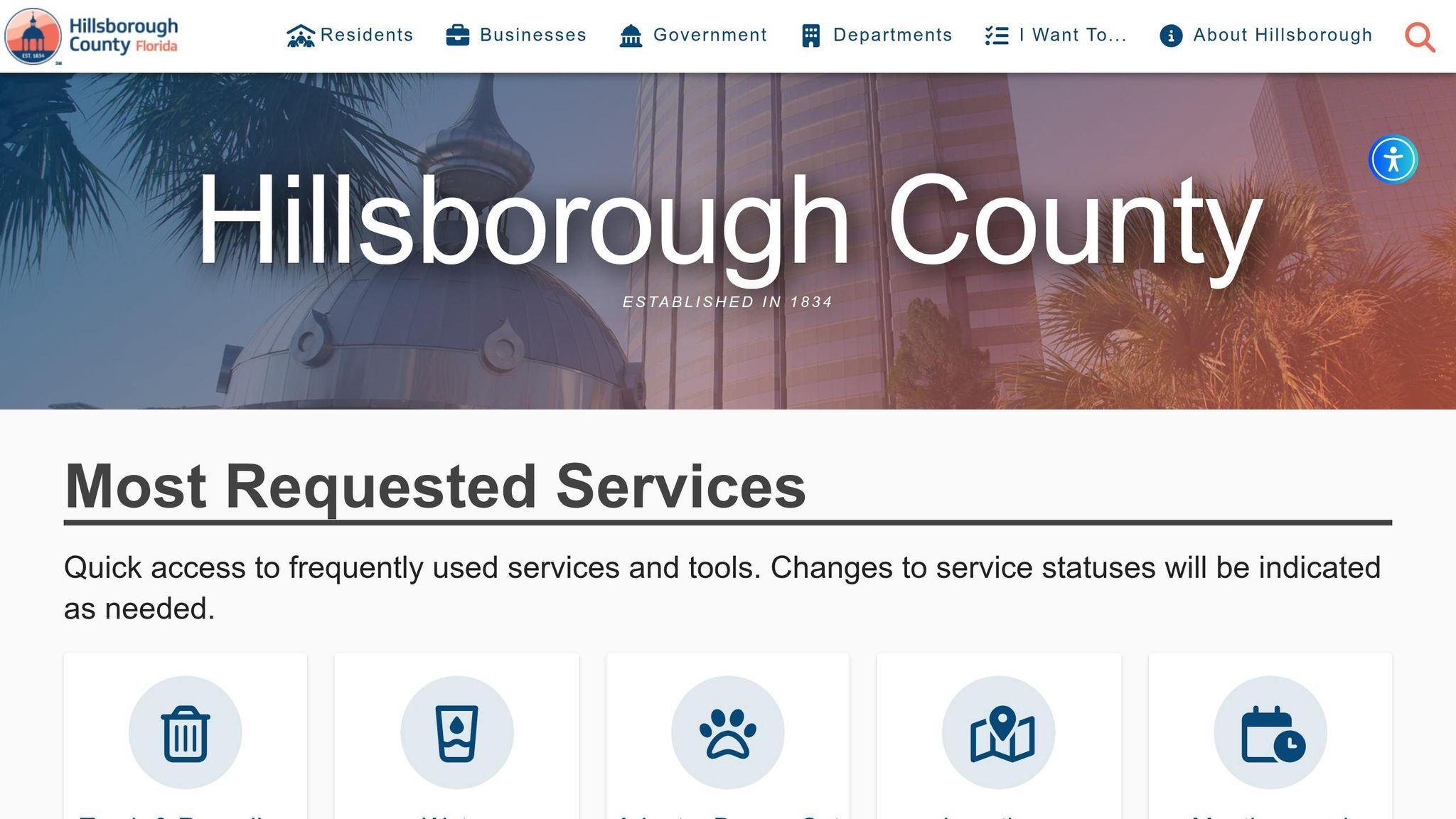
Elite status and a Florida license are not the same thing. You need both.
Tampa siding work should go through permitting and inspection under the Florida Building Code, 8th Edition, which covers wind load, moisture control, and fastening in Hillsborough County. That code side is not paperwork for the sake of paperwork. It checks whether the install can handle local weather.
On a well-managed project, you should expect at least two inspections:
- A rough-in inspection after the weather-resistive barrier and flashing go in, but before the siding covers them
- A final inspection after the full install is done
That rough-in stage matters because it’s where inspectors can confirm the moisture-control details before they disappear behind the finished siding. You should also verify the contractor’s license before work starts. No guessing. No taking someone’s word for it.
Once the code side checks out, the next step is picking the right Hardie profile for the home.
What Product and Design Guidance Elite Contractors Should Offer for South Tampa Homes
A skilled Elite contractor should help you match the siding profile to the home’s style and exposure. In South Tampa, that usually means talking through HardiePlank lap siding, HardiePanel, or HardieShingle.
Finish choice also matters, especially on homes with strong sun exposure or waterfront conditions. ColorPlus® gives you stronger UV resistance and a 15-year finish warranty, while primed boards need paint within 180 days. In other words: the product shape matters, but the finish can change how much upkeep you deal with later.
A good contractor should explain both paths and point you toward the one that fits your home’s exposure, maintenance goals, and overall look. That comparison also starts to show why fiber cement tends to hold up better than vinyl in Tampa Bay weather.
Vinyl Siding vs. James Hardie Fiber Cement in Tampa Bay Weather

Vinyl Siding vs. James Hardie Fiber Cement in Tampa Bay: Side-by-Side Comparison
When you compare siding bids, you're not just comparing labor. You're also comparing the material on your walls for the next few decades.
Many homeowners start with vinyl because the sticker price looks lower. But... that first number doesn't tell the whole story. In Tampa Bay, the material matters just as much as the installer.
How Heat, Humidity, Salt Air, and Storm Exposure Affect Each Material in Tampa
Vinyl costs less because it's a plastic siding. Tampa's weather tends to expose where it falls short. HZ10 fiber cement is made for heat, humidity, wind, and salt air, which makes it a better fit for this part of Florida.
A strong Elite contractor shouldn't just hand you a quote. They should explain why fiber cement makes more sense for Tampa Bay homes.
Here's how both materials stack up in the conditions local homes deal with most:
| Performance Factor | Vinyl Siding | James Hardie Fiber Cement (HZ10) | Why It Matters in Tampa |
|---|---|---|---|
| Heat, UV & Durability | Prone to warping, waviness, and fading | Resists thermal movement and UV degradation | Year-round sun wears down thinner plastic siding faster |
| Impact Resistance | Lower impact resistance; can crack or puncture | Denser and over five times thicker than standard vinyl | Matters during storm season |
| Moisture & Rot | Can trap moisture behind panels | Engineered to shed water and resist hidden moisture damage | Driving rain and humidity increase concealed-damage risk |
| Salt Air | Can become brittle over time | Unaffected by salt air corrosion | Matters most near Old Tampa Bay or the Gulf |
| Fire Rating | Combustible; may melt in high heat | Non-combustible; Class A rating | Adds a stronger safety profile in hot-weather conditions |
| Wind Performance | Vulnerable to rattling or detaching in high winds | Meets Miami-Dade County approval | Better suited to Florida's storm exposure |
Think vinyl and fiber cement are close enough in Florida weather? Here's what's actually happening. Tampa homes deal with year-round sun, heavy humidity, wind-driven rain, and storm pressure. In other words: the climate puts siding under stress almost every month of the year.
Why Fiber Cement Tends to Cost Less Over Time Than Vinyl on Coastal Florida Homes
The upfront price gap is real. For a medium-sized home at about 20 squares, vinyl siding in Florida runs about $21,000 to $26,000, while James Hardie fiber cement runs about $27,500 to $34,500.
Those numbers are estimates. Your final price depends on the home's design and local permit fees.
However, the long-term math often shifts on coastal Florida homes. Fiber cement tends to hold up better and needs less attention over time, which can make it the better buy even with the higher starting cost.
Warranty terms matter here too. Many vinyl warranties shrink over time, while James Hardie materials come with a 30-year non-prorated limited warranty. Or put another way: don't stop at the install price. Check the scope, the warranty, and what you're getting for that number.
That difference should show up clearly in the next contractor bid, especially in the scope, warranty, and total price.
What a Solid Siding Bid Should Include: Warranty Terms, Exact Scope, and Next Steps
Once you pick fiber cement, the bid becomes the test. It shows you whether the contractor plans to install it the right way for Tampa weather. Elite status means little if the quote doesn't spell out the product, the install details, and the warranty terms.
James Hardie's product warranty covers manufacturing defects. The contractor's workmanship warranty covers installation errors. Bayshore Exteriors backs every James Hardie installation with a Lifetime Workmanship Warranty.
What to Check Line by Line Before Choosing a Tampa Siding Contractor
Don't judge the quote by price alone. Use the written bid to confirm the full scope. For a Tampa James Hardie project, the quote should include each item below in writing:
| Bid Item | What to Verify |
|---|---|
| Product line | Exact HZ10® profile specified |
| Fasteners | Corrosion-resistant or stainless steel fasteners |
| Weather barrier | Weather barrier with taped seams and penetrations |
| Flashing | Metal flashing at openings and transitions |
| Trim and soffit | HardieTrim® and HardieSoffit® - not wood or vinyl substitutes |
| Caulking and paint scope | ColorPlus® or field-paint scope; do not caulk ColorPlus® joints |
| Permits | Contractor takes responsibility for Hillsborough County permitting and inspections |
| Cleanup | Daily cleanup and final magnetic sweep |
| Warranty language | Both the 30-year James Hardie product warranty and the contractor's workmanship warranty in writing |
Think a low bid saves money? Not if it leaves out the parts that keep the job code-compliant and warranty-safe. In other words: if the scope looks vague, the risk shifts to you.
One red flag stands out fast. If a bid doesn't mention HZ10 products, skips flashing details, or suggests installing new siding over existing material, treat that as a problem right away. Installing over existing siding can void the warranty and create code issues.
A clean bid makes these details easy to find. No guesswork. No fuzzy wording. Just a clear written scope you can check line by line.
FAQs
How do I verify Elite Preferred status?
Use the official James Hardie Contractor Locator to confirm a contractor’s Elite Preferred status. That gives you a quick way to check whether the company still holds that designation, not whether they had it at some point in the past.
You can also ask for proof of current membership in the James Hardie Contractor Alliance Program. If a contractor hesitates or gets vague, pay attention. Clear answers during your consultation matter.
For extra peace of mind, check third-party customer satisfaction ratings and confirm the contractor carries current licensing and insurance. In other words: don’t stop at the badge. Make sure the company can show active qualifications, not just talk about them.
Will Elite status lower siding risk?
Yes. Elite Preferred status can lower siding risk because it shows the contractor passed James Hardie vetting, goes through ongoing audits, and trains on proper installation methods.
That matters because siding problems often start at the small details. Think moisture control, proper flashing, correct clearances and caulking, and corrosion-resistant, code-appropriate fasteners for coastal Florida conditions. When a crew handles those details the right way, you cut down on common failure points.
It can also help support warranty eligibility when the siding is installed correctly.
What should I ask before I sign?
Before you sign anything, check four basics: the contractor’s James Hardie status, state license, workers’ compensation coverage, and $1,000,000 in liability insurance. Then ask for a detailed quote and a clear workmanship warranty. That warranty is separate from the manufacturer’s product warranty, and the difference matters.
You should also ask how the contractor handles Florida code rules, flashing, fastener spacing, and substrate prep. Fiber cement doesn’t leave much room for sloppy work. These details help protect your investment and help keep your warranty in place.
Related Blog Posts
✔ START TODAY
Personal and targeted approach

✔ FAQ
Your Questions. Our Expertise.
How do I get an accurate price for my project?
Are you licensed and insured in Florida?
How long does a typical installation take?
Does your work come with a warranty?
Why do you recommend James Hardie siding for Florida?
What specific services do you provide?
✔ START TODAY
Ready to Get Started?
Trusted and reliable Hardie board siding services backed by expert craftsmanship and high performance materials. We help homeowners achieve a durable, low maintenance exterior that looks great and stands strong for years to come.
Book an Appointment
We have received your estimate request and will be reaching out to you shortly.
.webp)